This Exhibit is Closed.
Click Here to Buy The Book
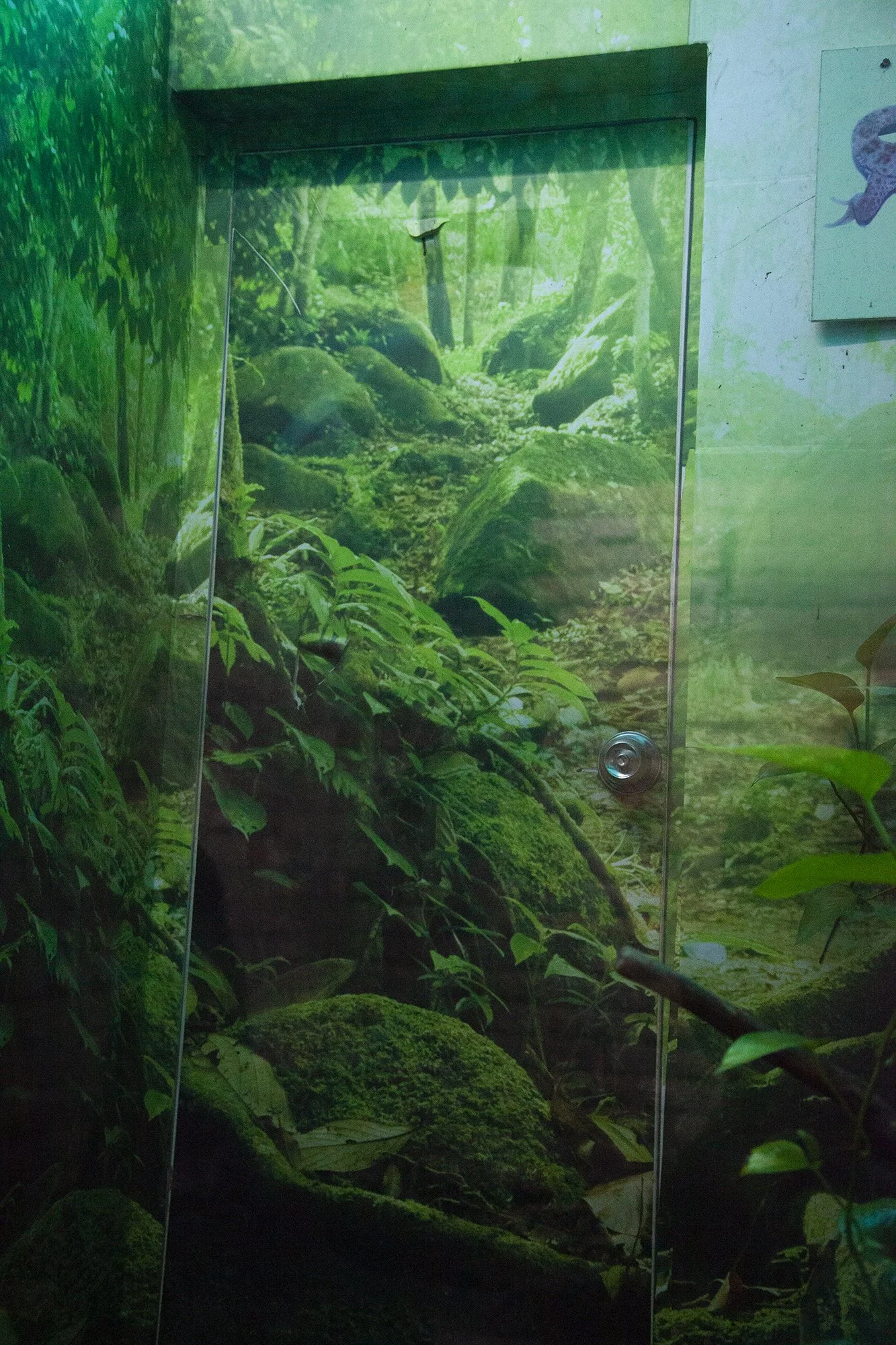
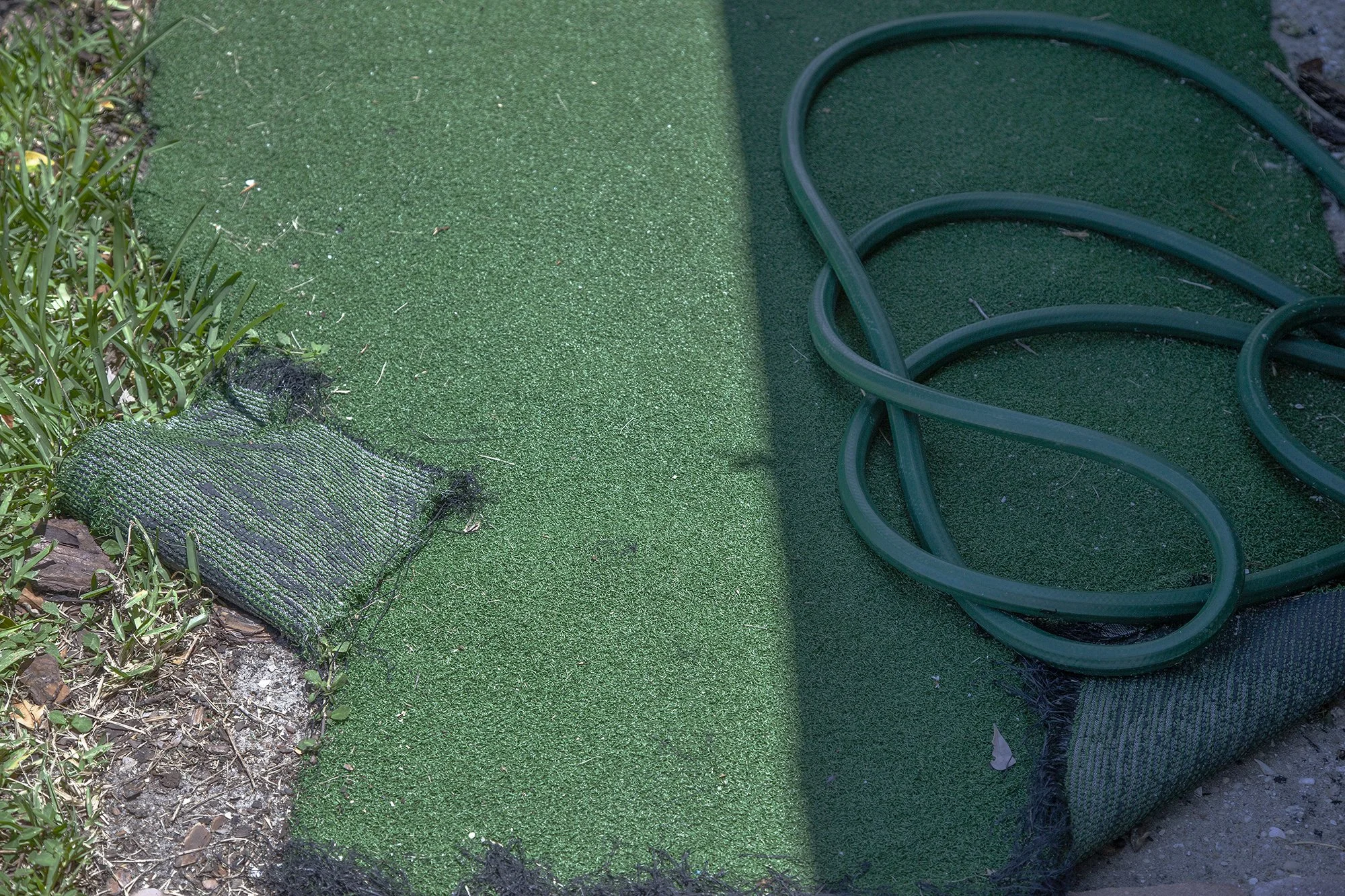
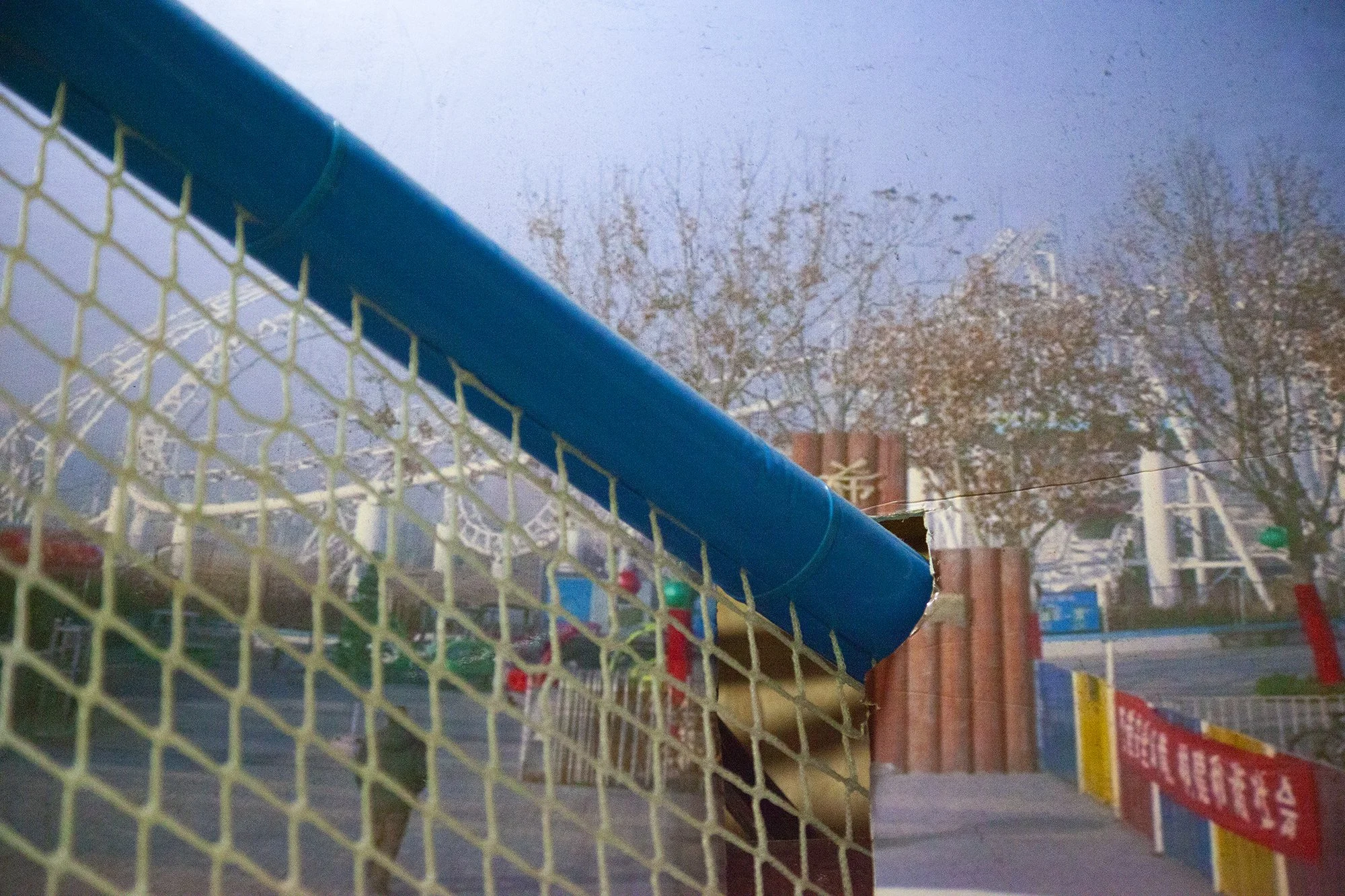
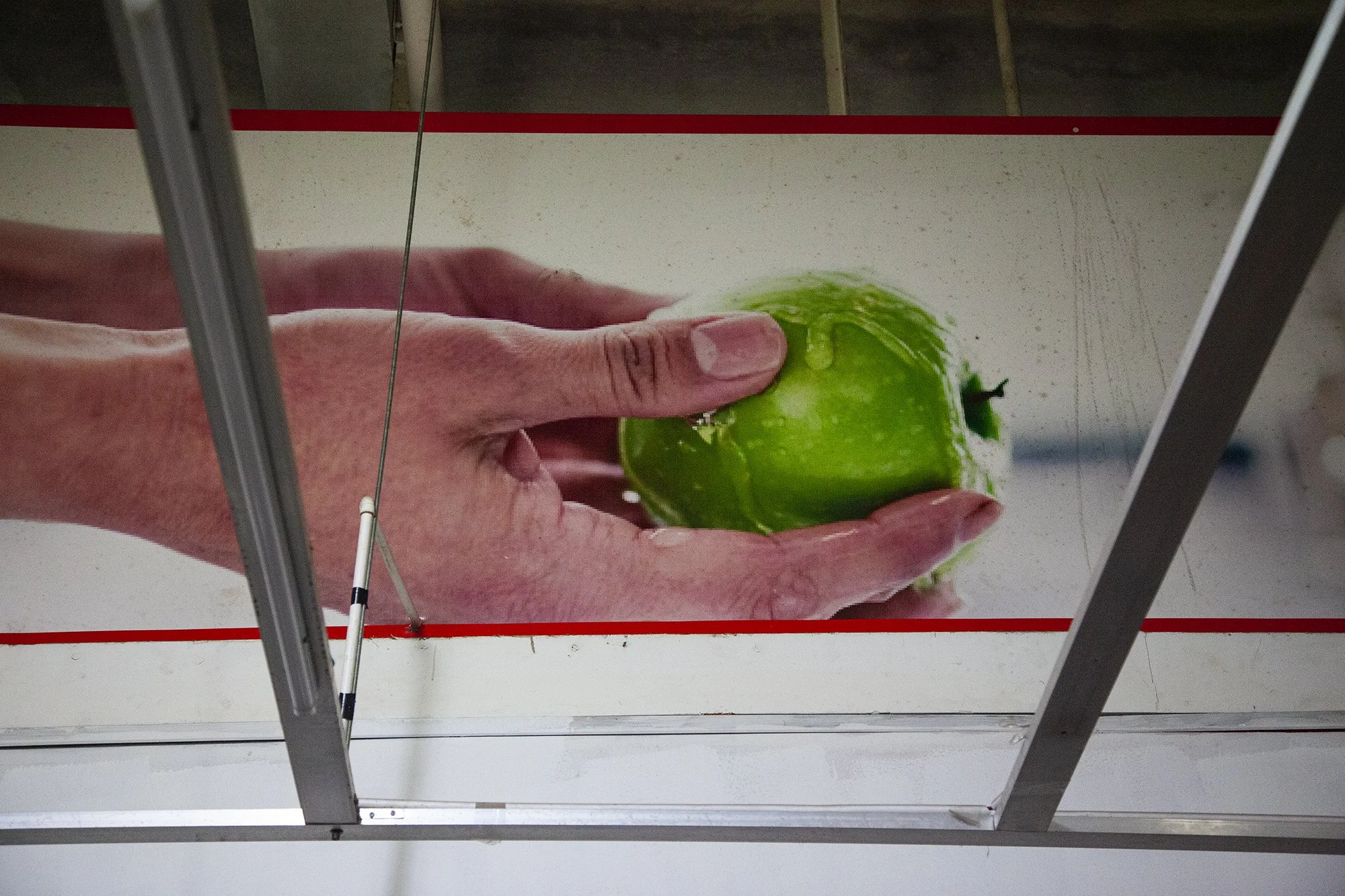
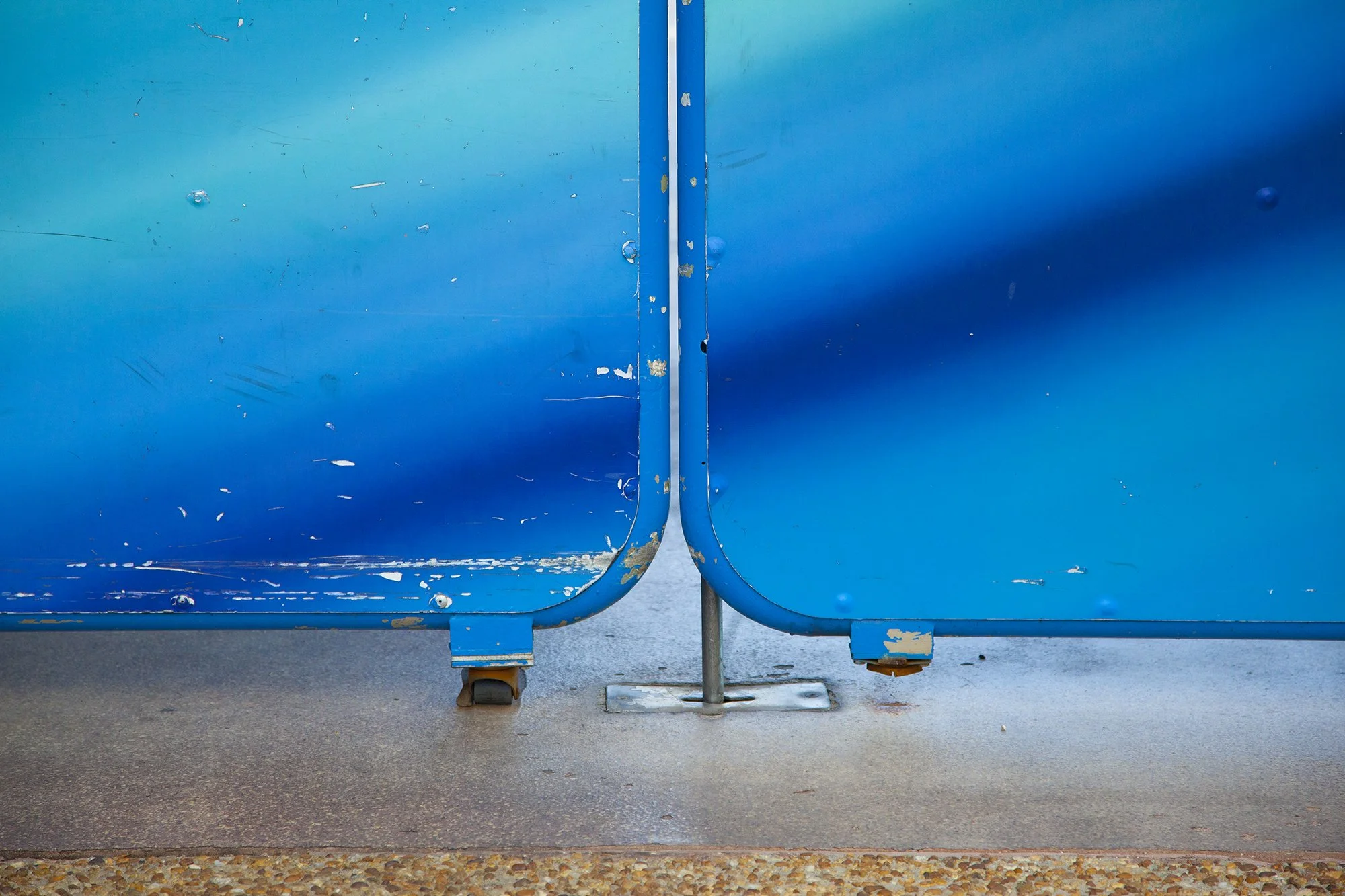
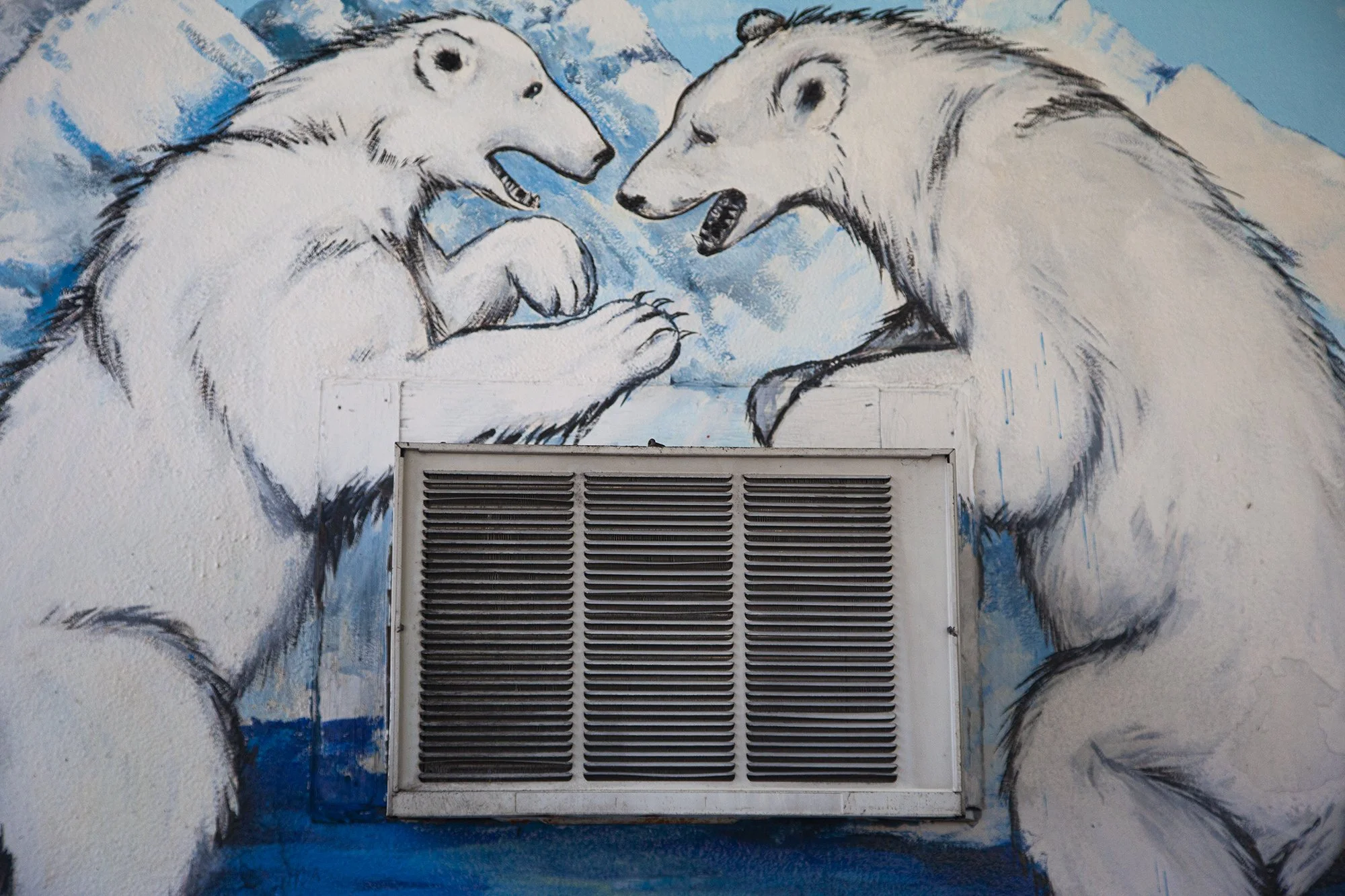
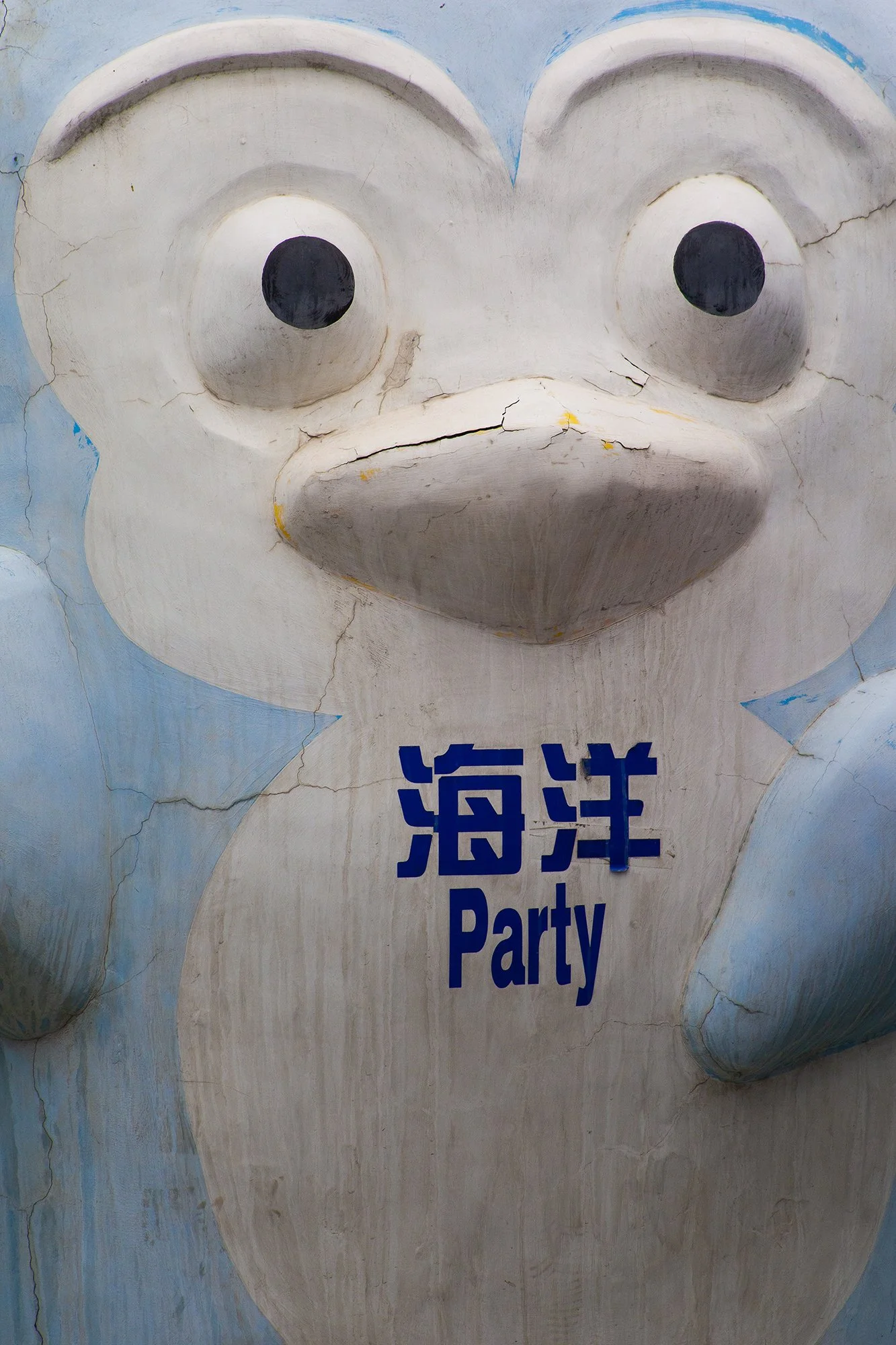
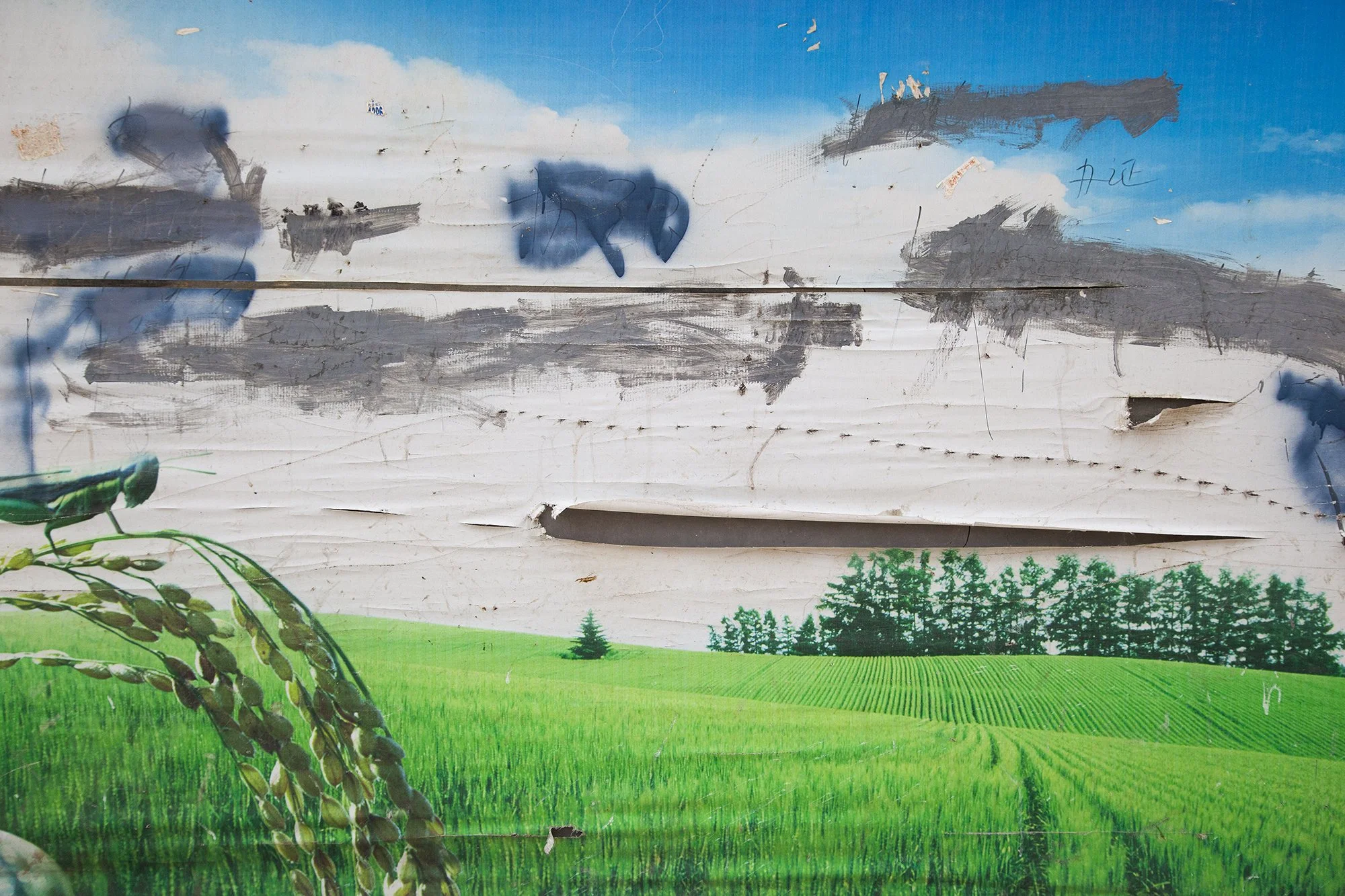
The most common ways to talk about photographs are as images that show consensus “reality” as it is, documents of things as they are, capturing, taking, shooting, preserving the moment, and recording memories. Those ways of talking about photography apply to vernacular, journalistic, documentary, and commercial work, all valid forms of photography, but irrelevant to this work. This series, along with much of conceptual photography, is more concerned with making photographs rather than taking, creating images rather than extracting information, and transforming versus informing.
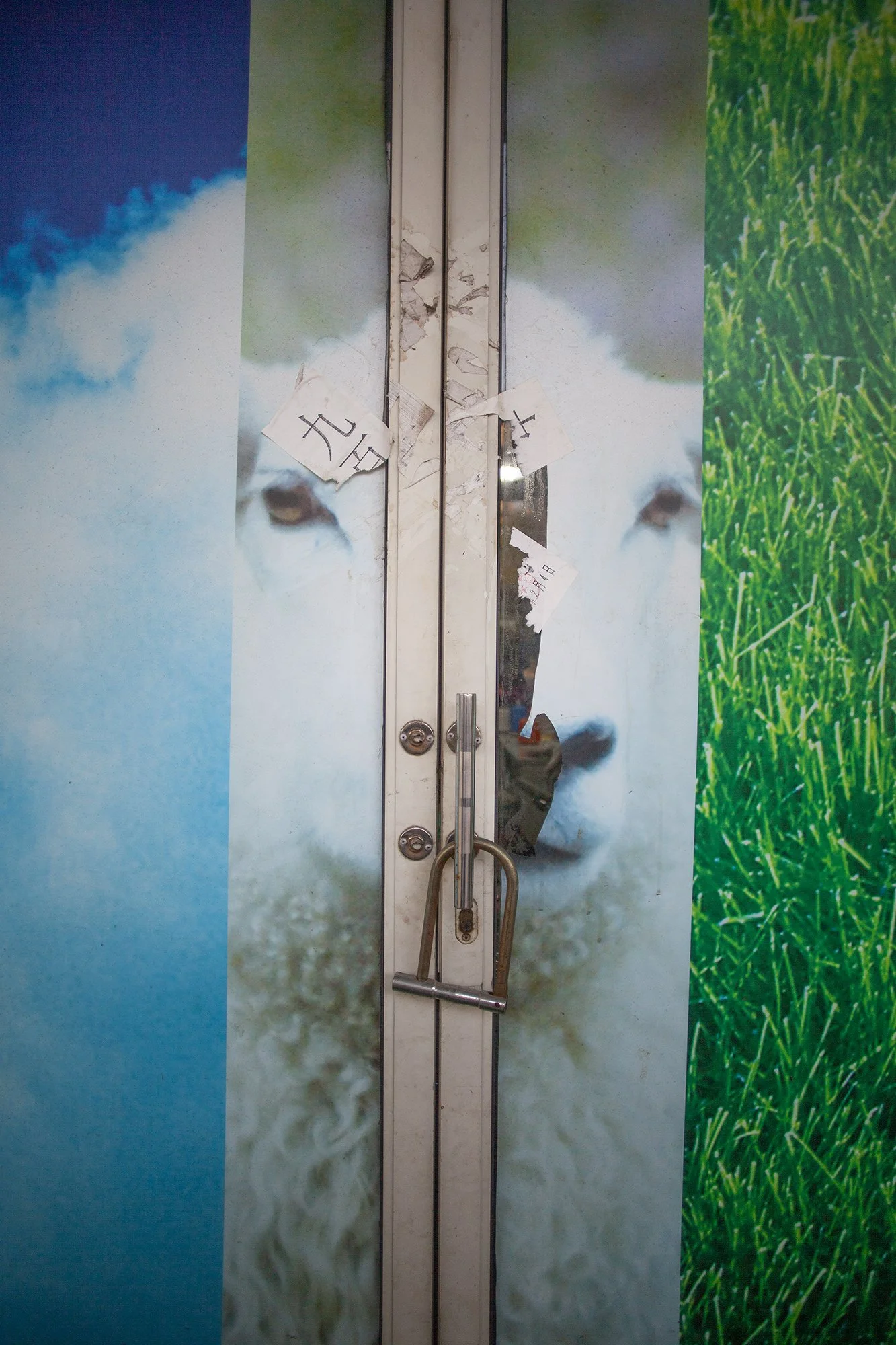
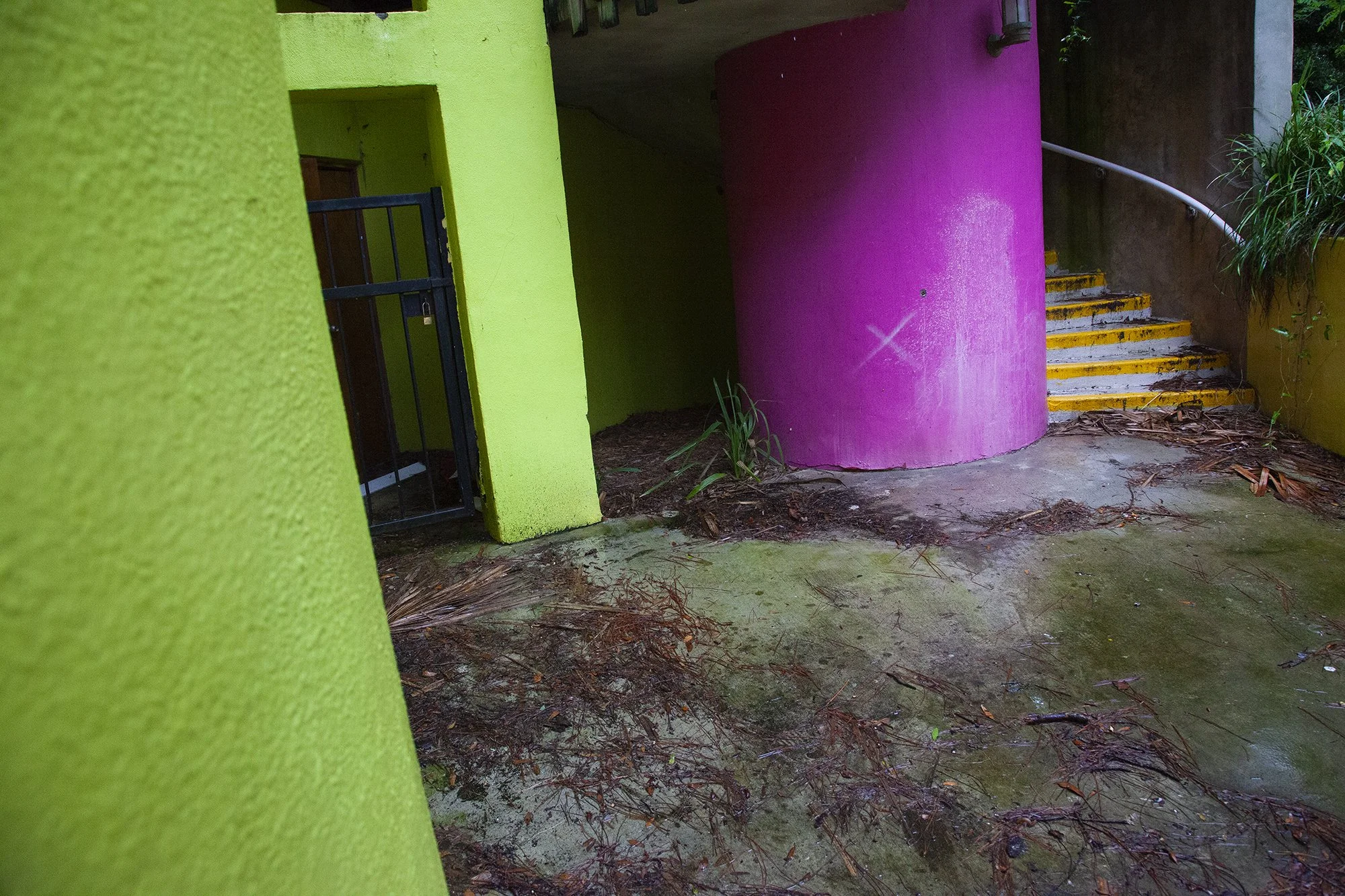
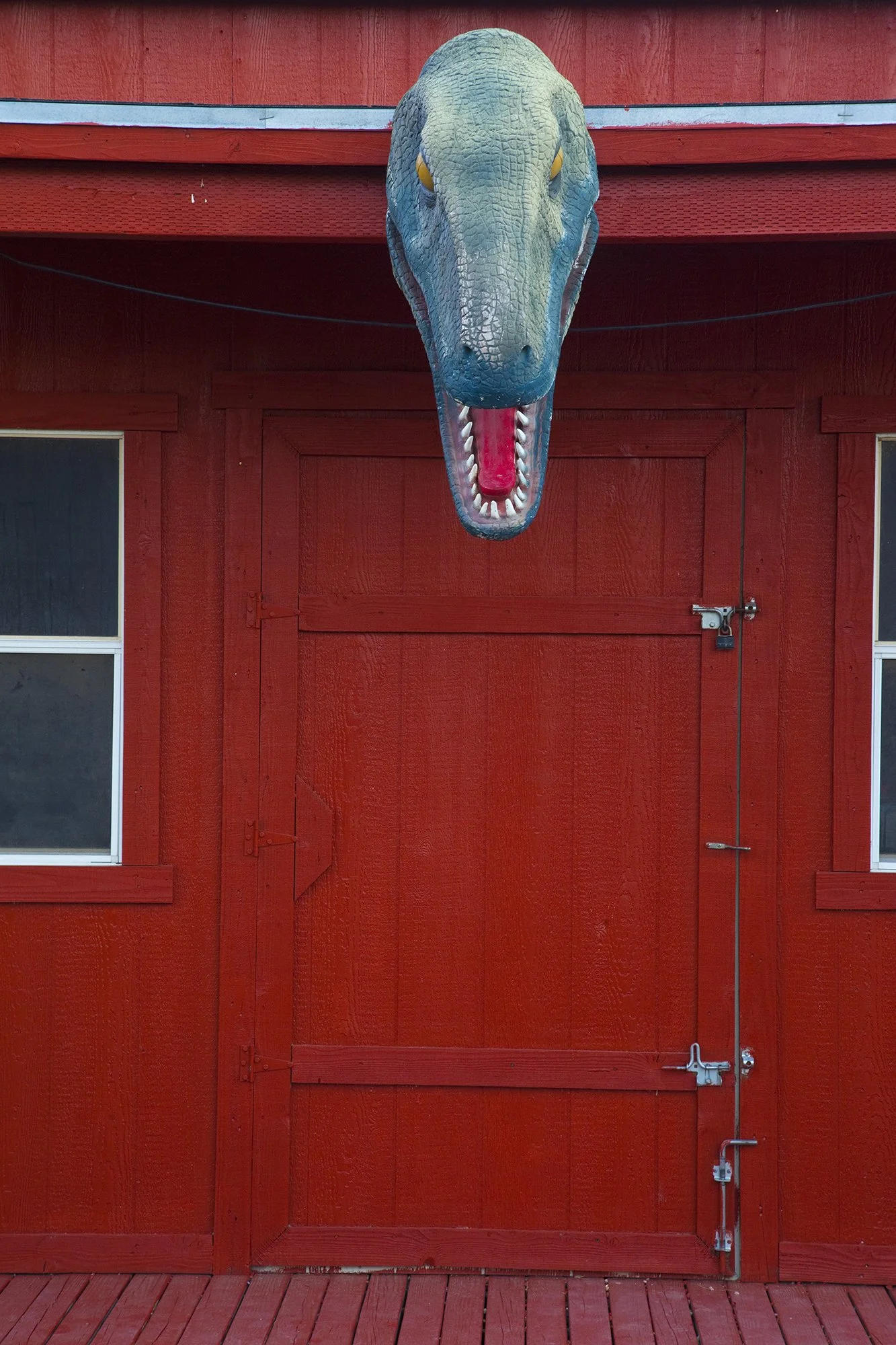
This series is meant to be experiential rather than descriptive and there are layers of meaning embedded in not only the images themselves, but in the pairing of images. Sometimes there are what Elliot Erwitt termed, “Photographs and Anti-Photographs,” or pairs of photographs that communicate with one another by proximity and design. Sometimes those conversations are complimentary, other times they’re adversarial. The relational nature of this book was intentional from the beginning and the images were made with the book format in mind.
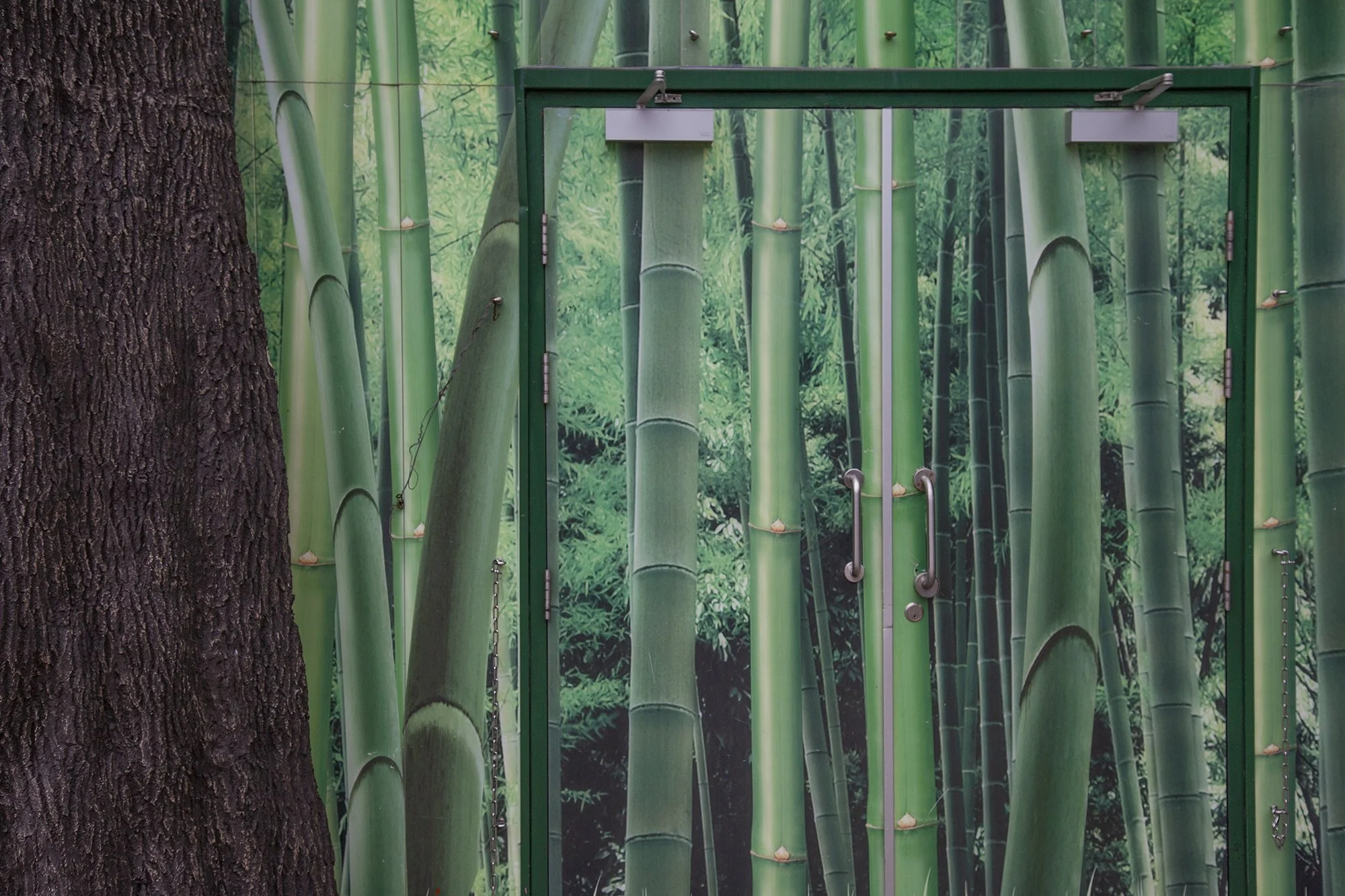
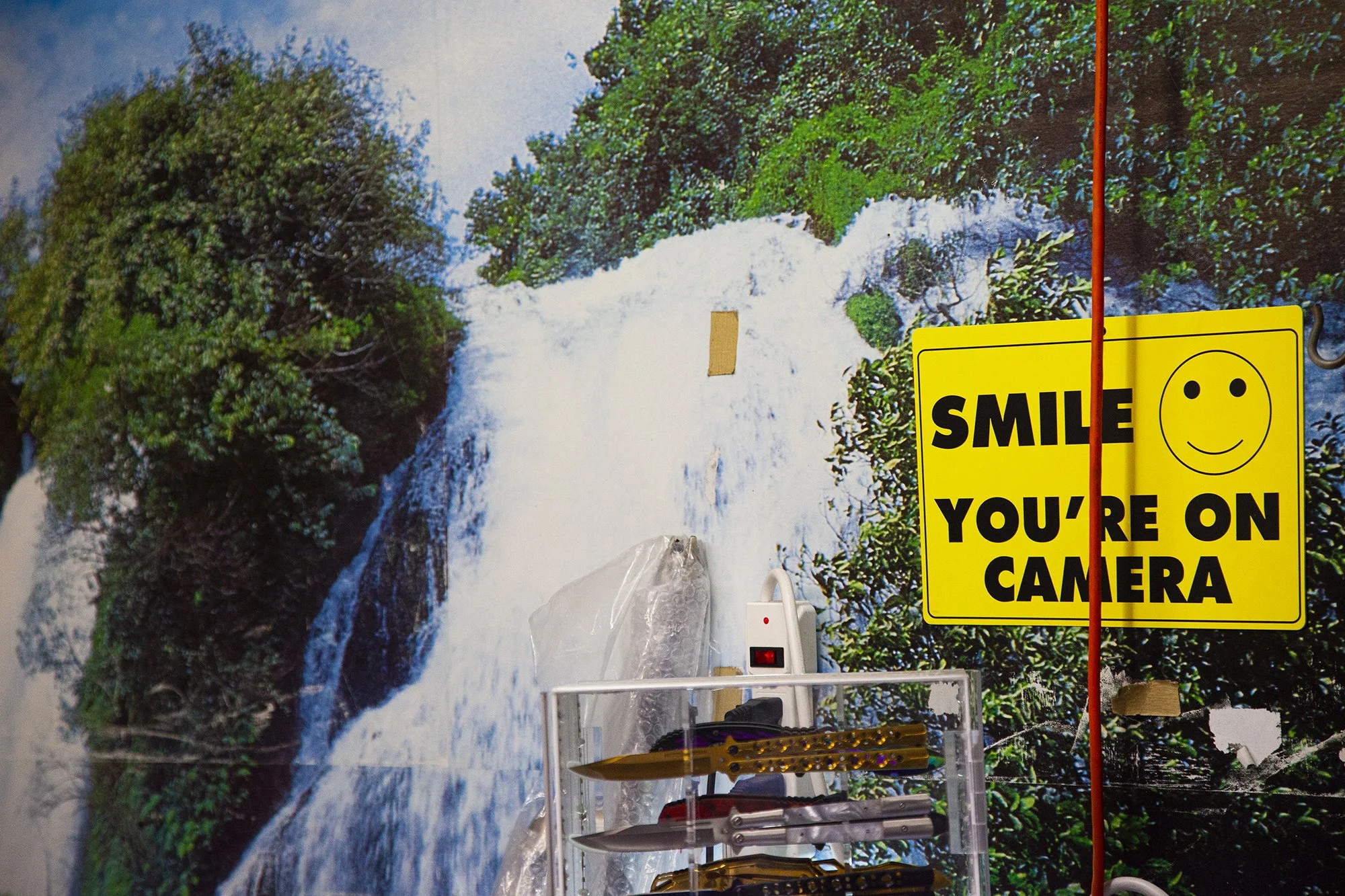
Not all of the coded meaning is immediately obvious or easily discovered. Some of it is culturally nuanced, ambiguous, and opaque. There are multiple ways to approach this work and myriad ways to read it. Some frequent themes in this book are: authenticity/simulacra, freedom/imprisonment, inside/outside, real/unreal, art/entertainment, absence/presence, natural/artificial, and other paradoxical dualities. In certain cases, pictures and colors are placed to modulate the flow of the book or provide slight paradigm shifts within the overall design.
All of the photographs have basic post-production and are single image, full frame, straight photographs, using a Canon DSLR. These photographs were made between 2013-2022 while living and traveling in China, Hong Kong, Taiwan, and of course, Florida.
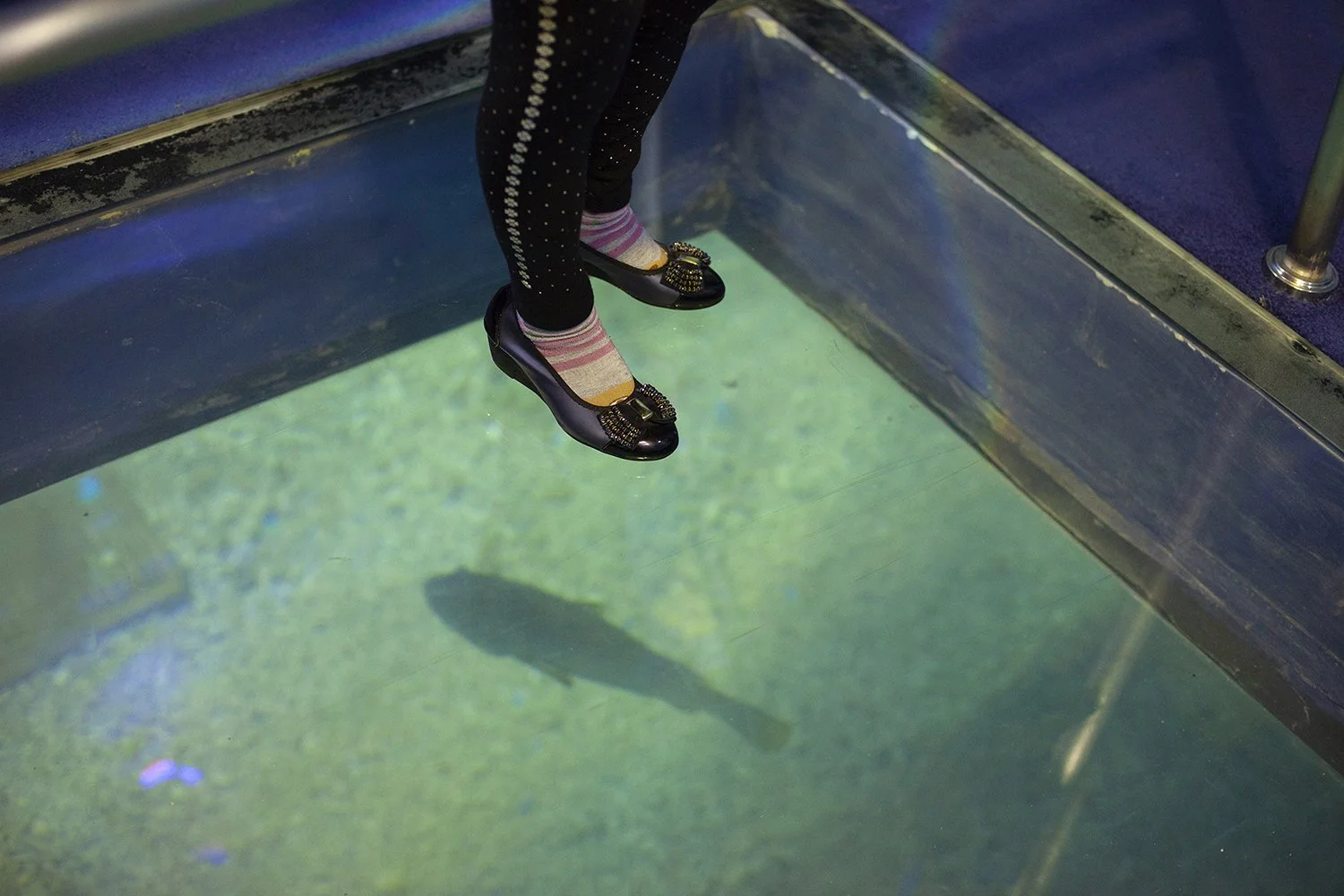
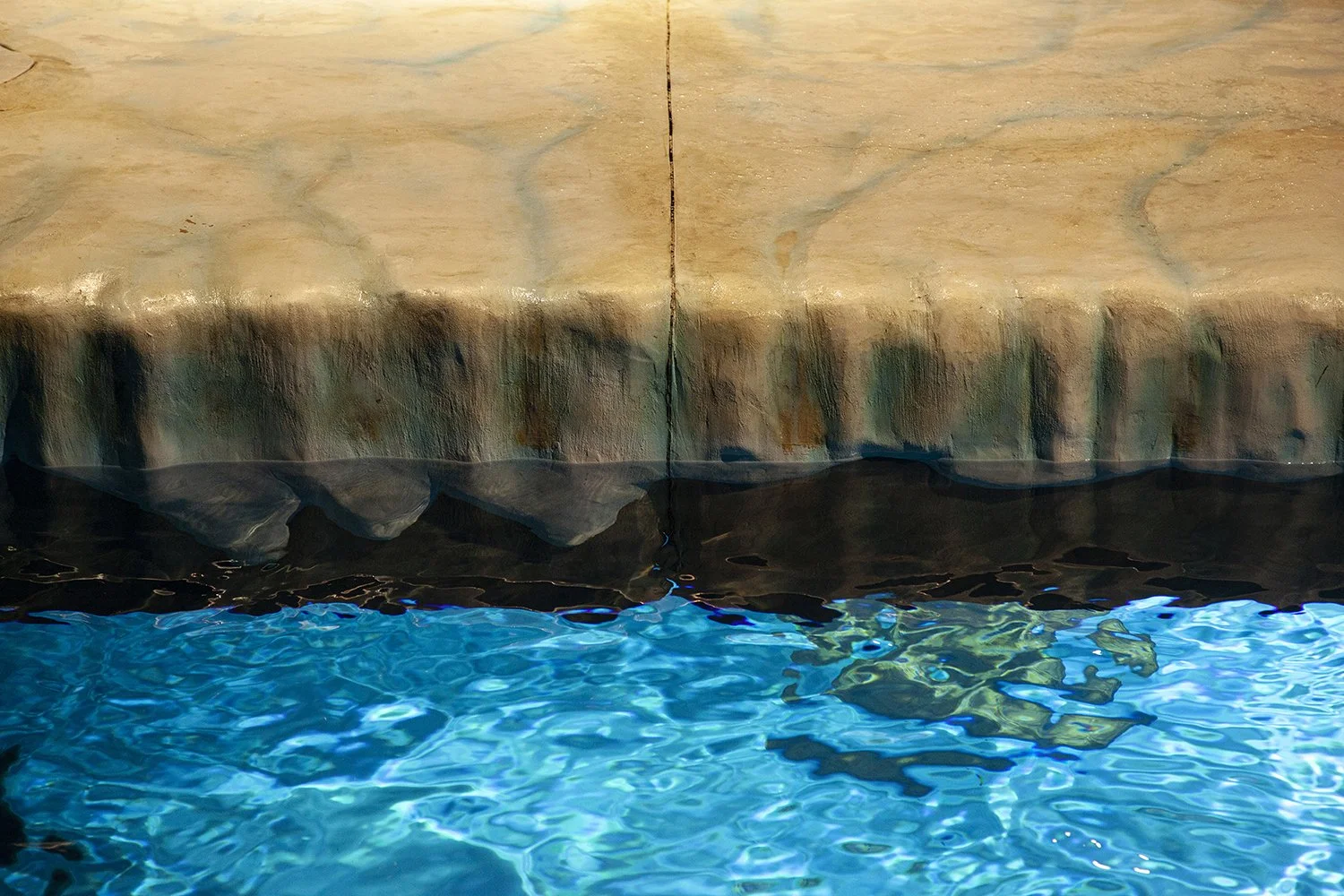
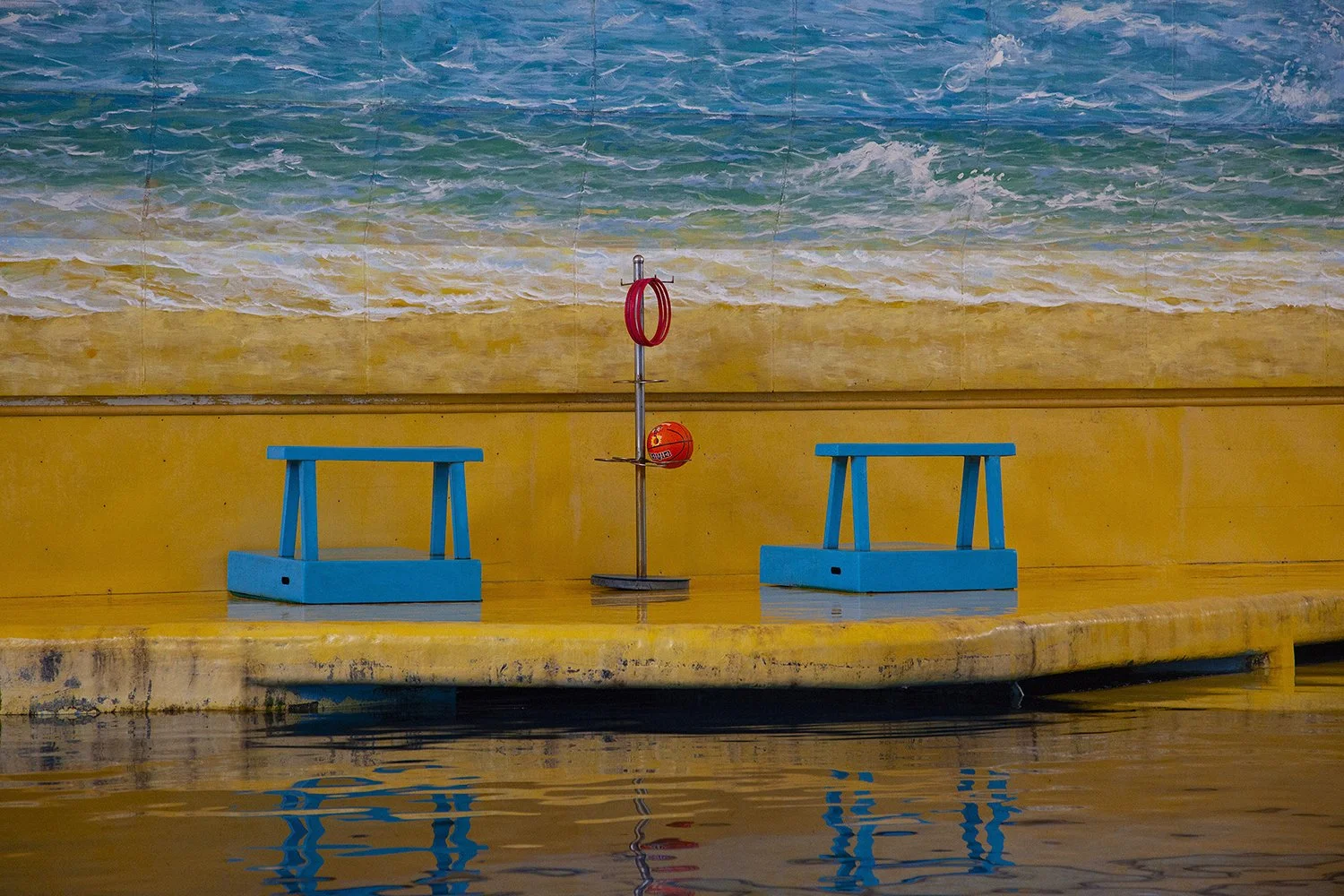
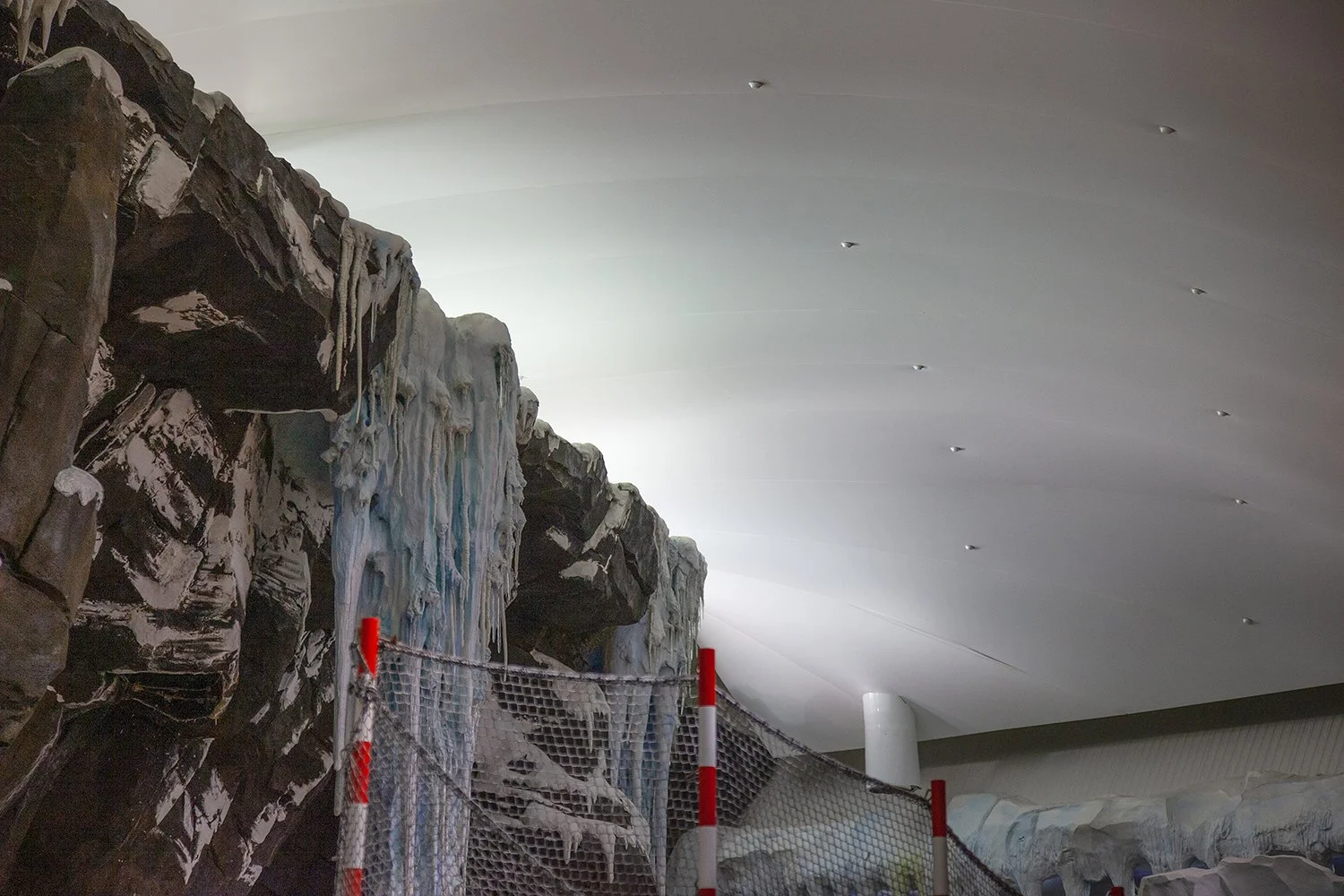
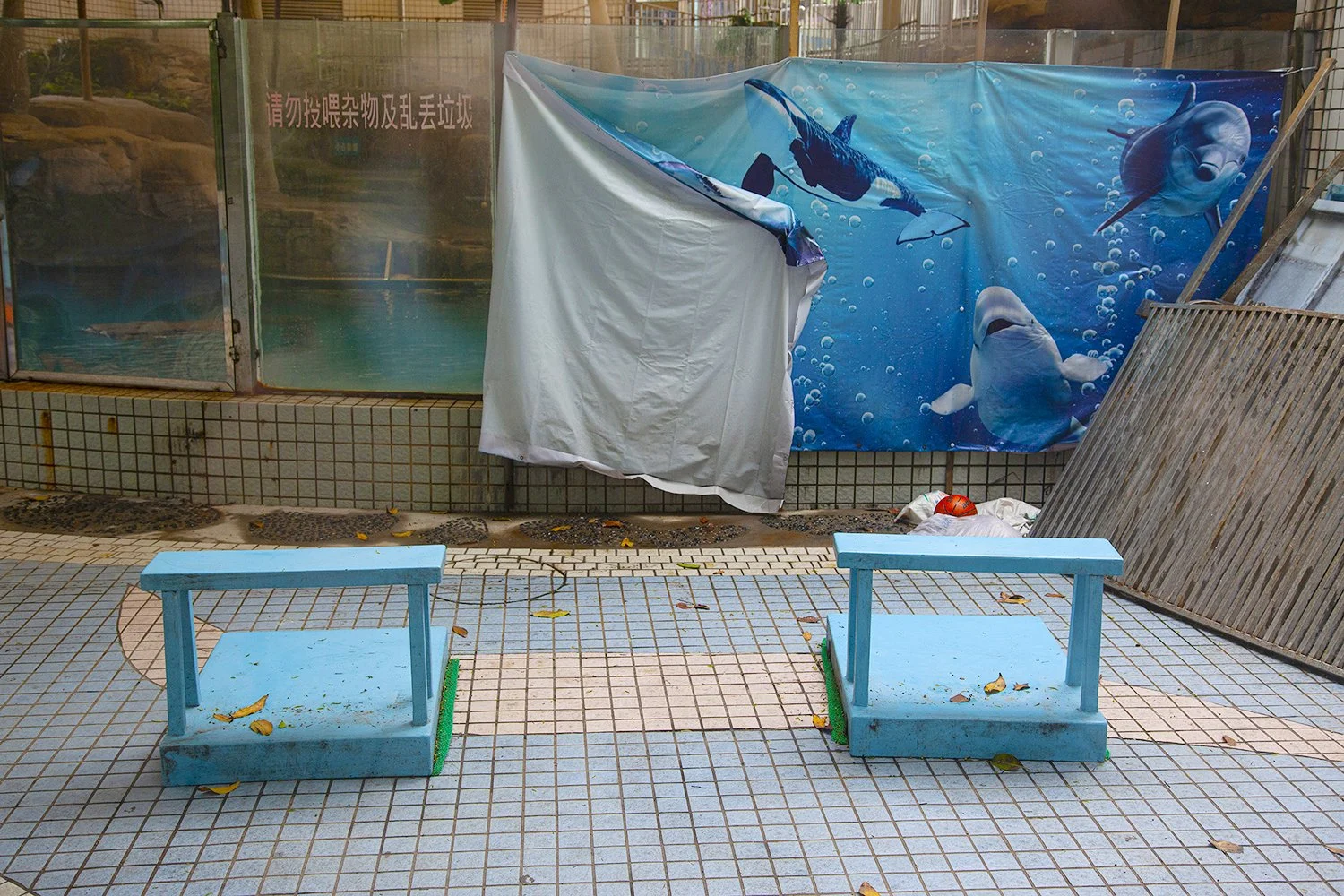
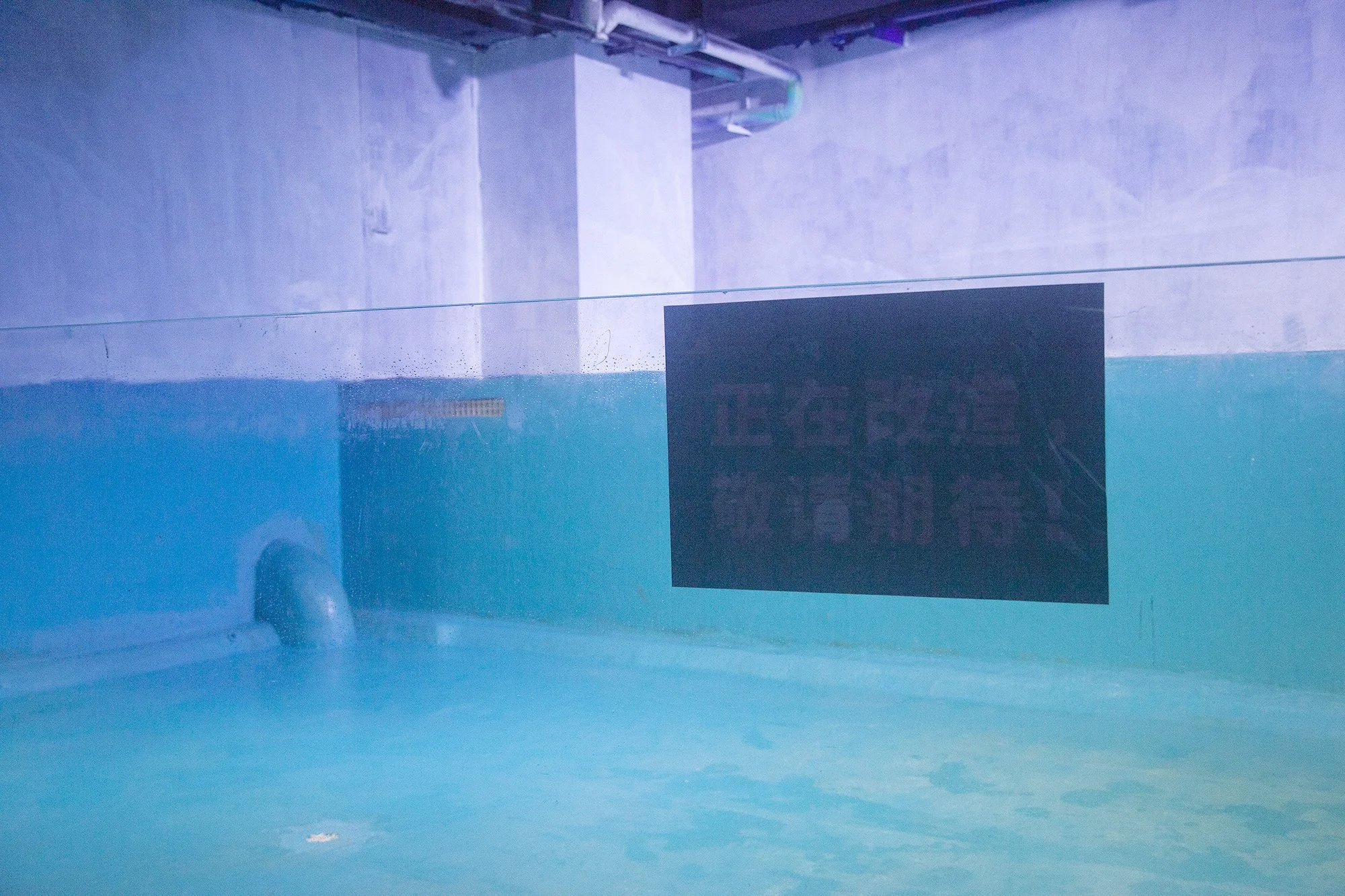
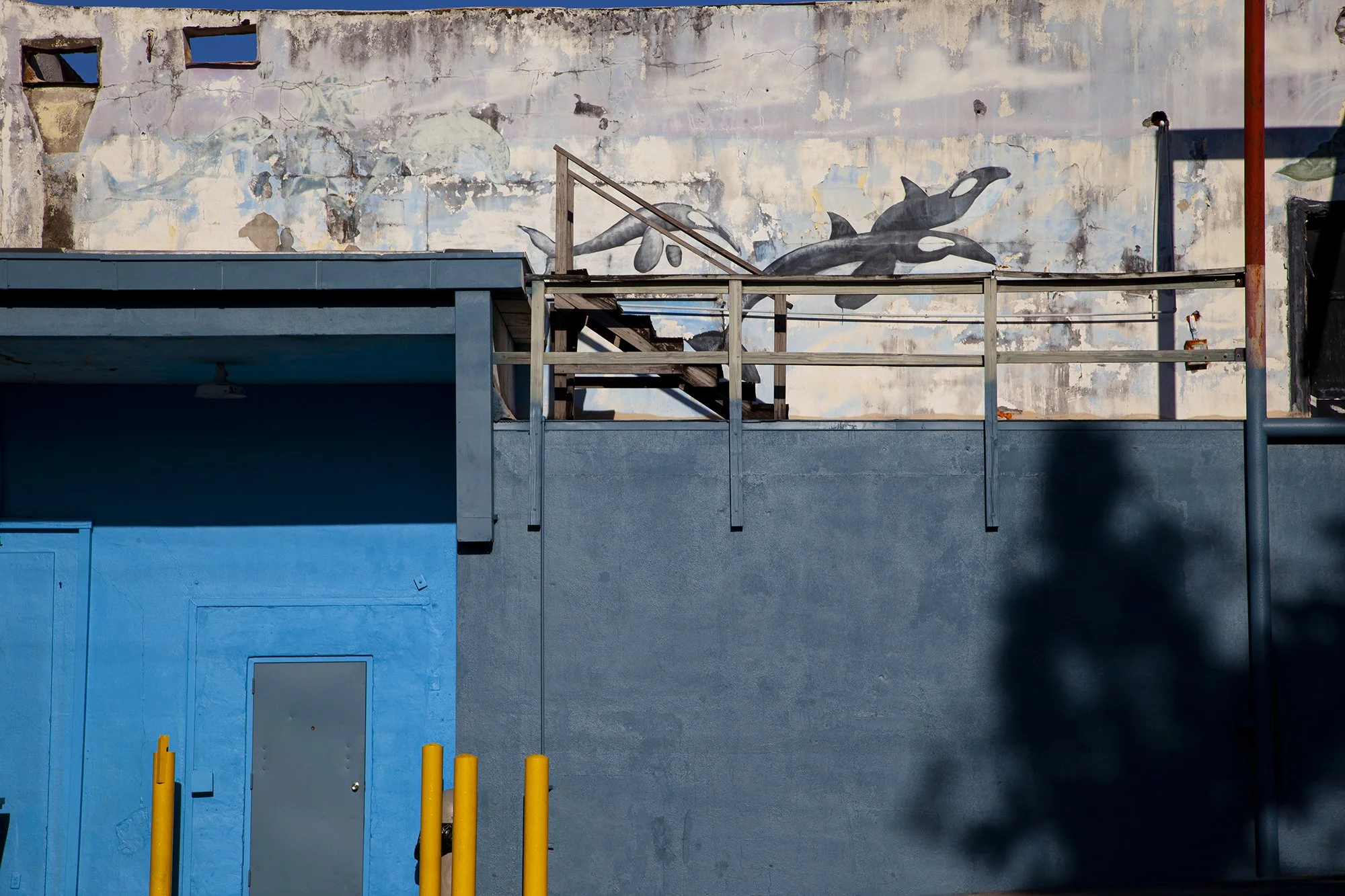
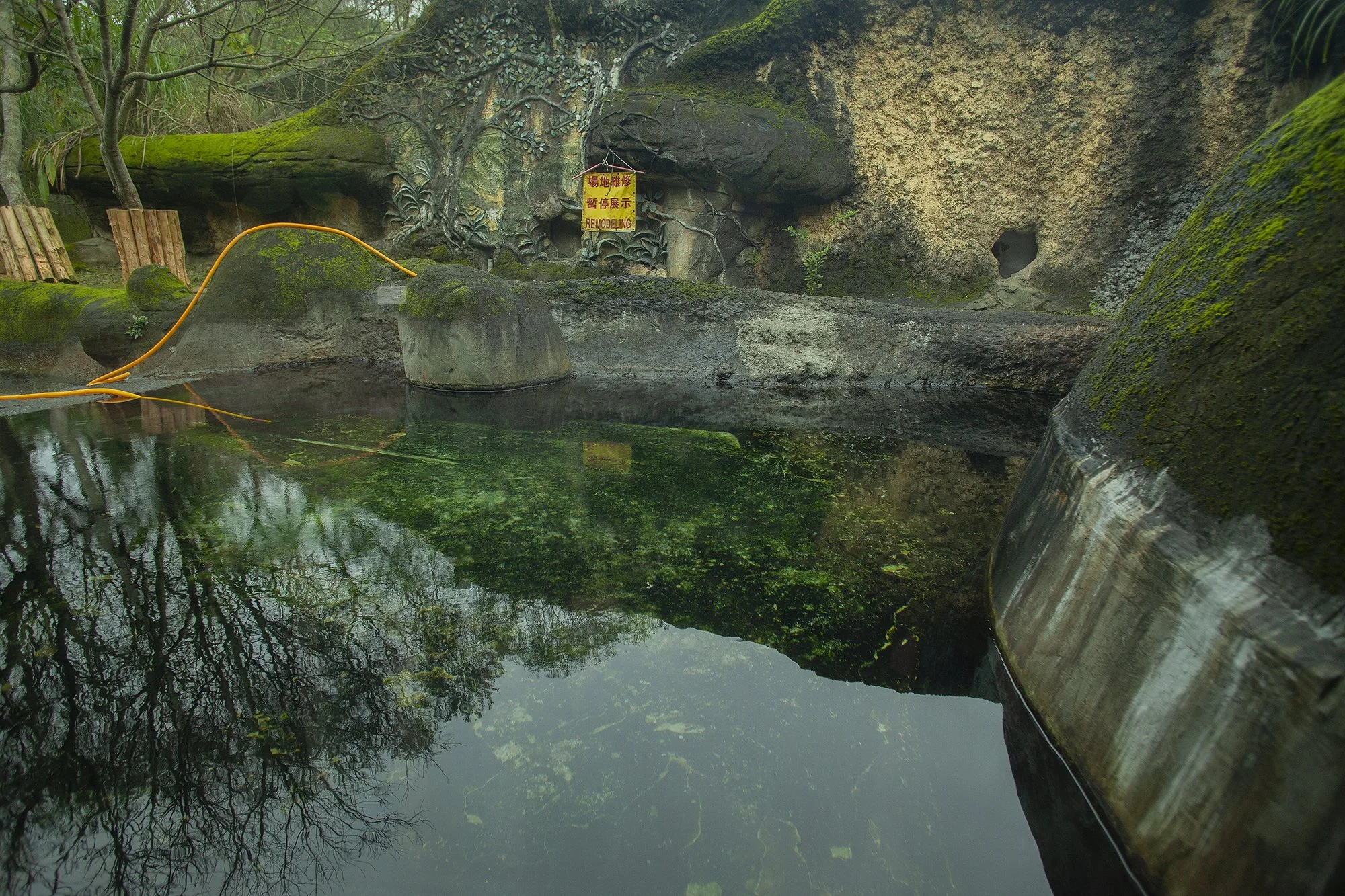
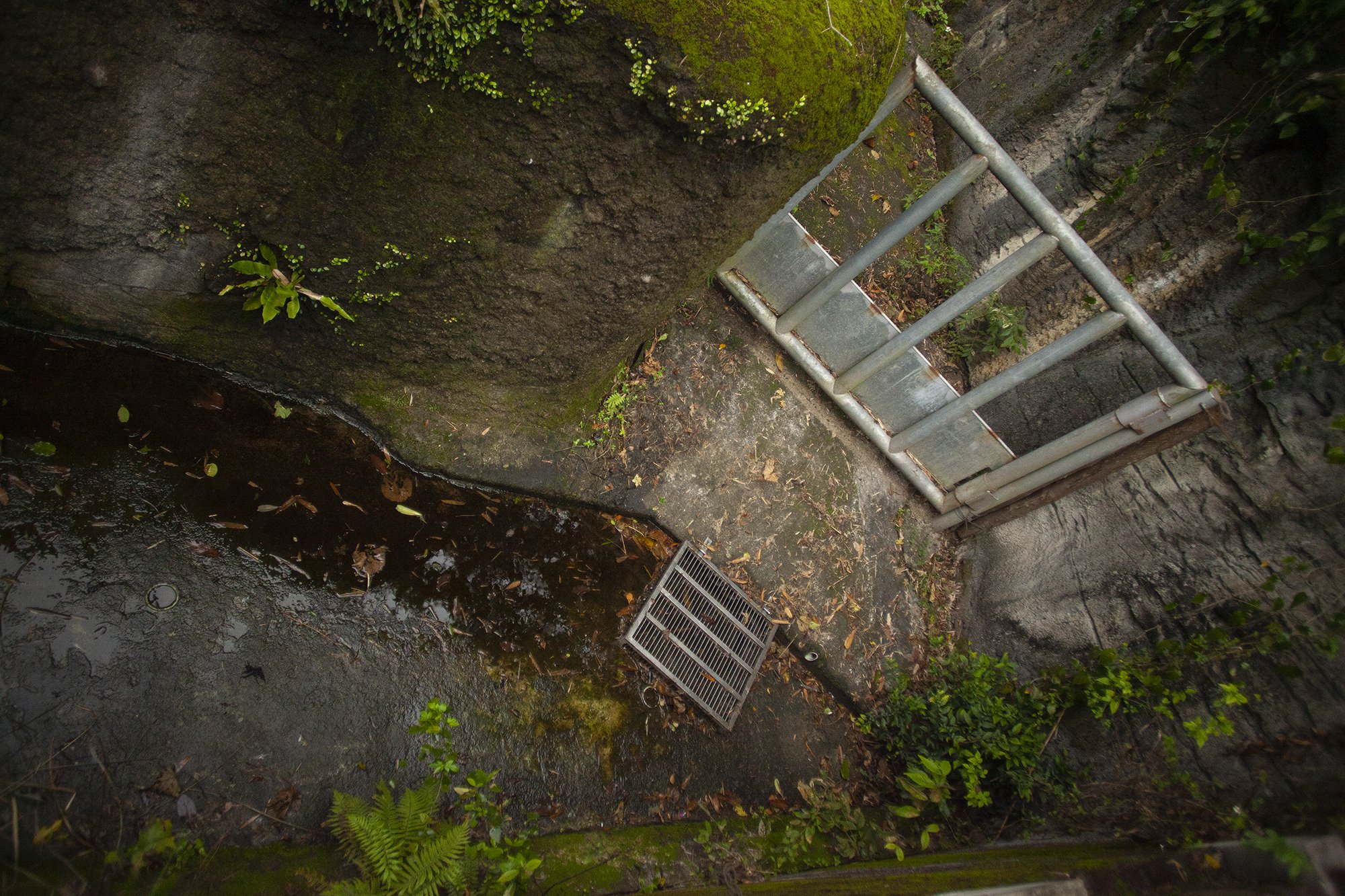
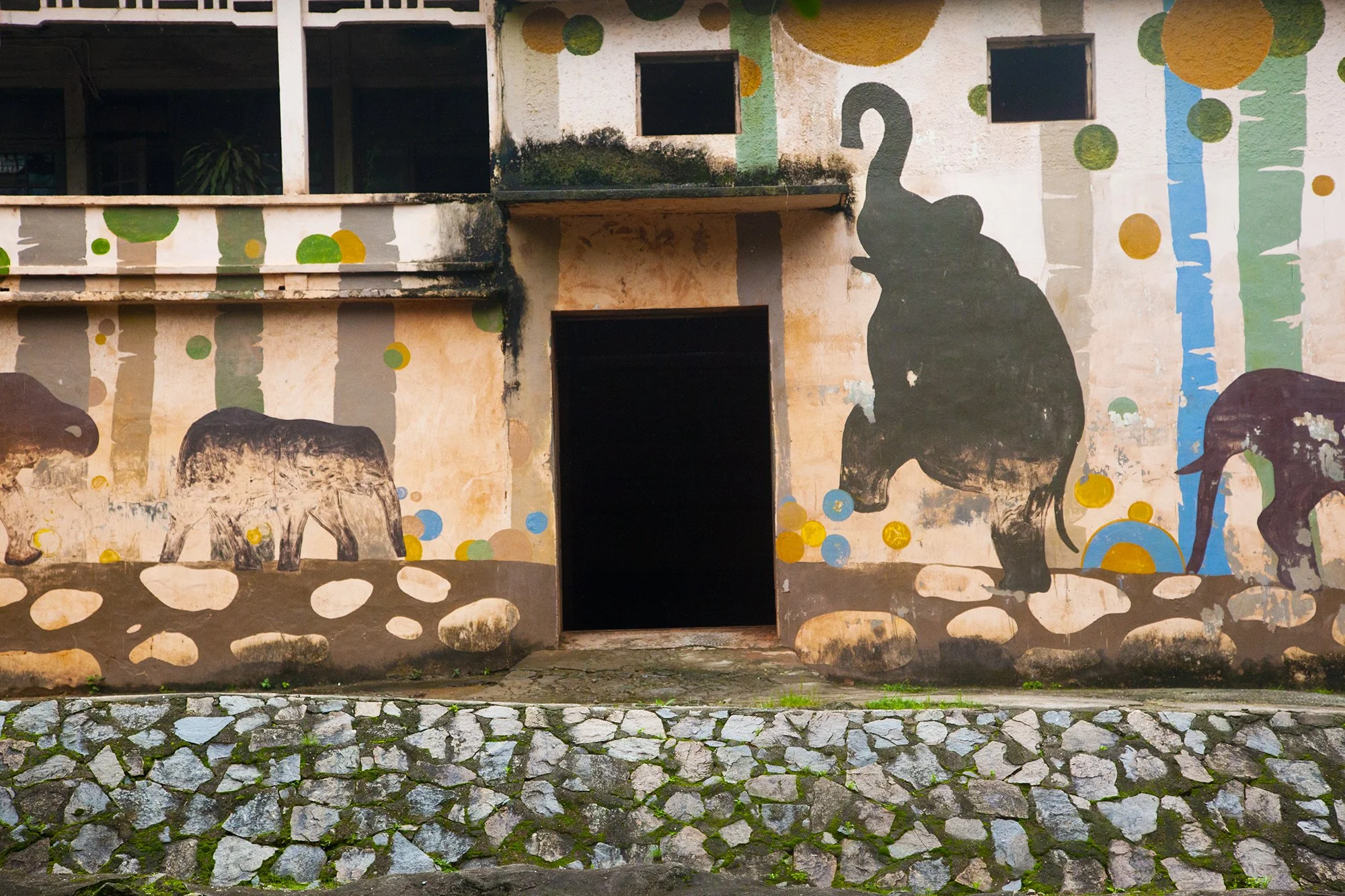
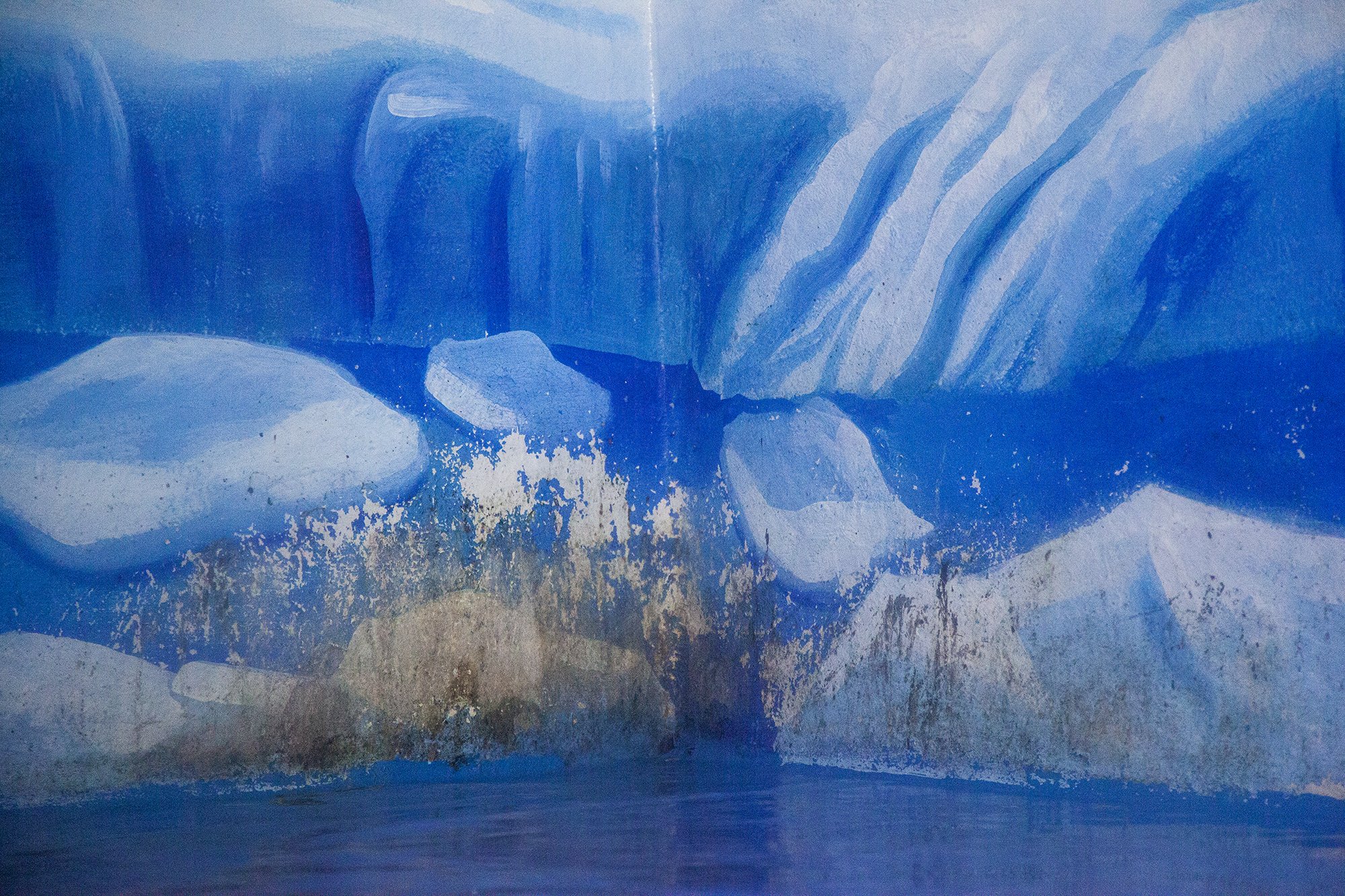
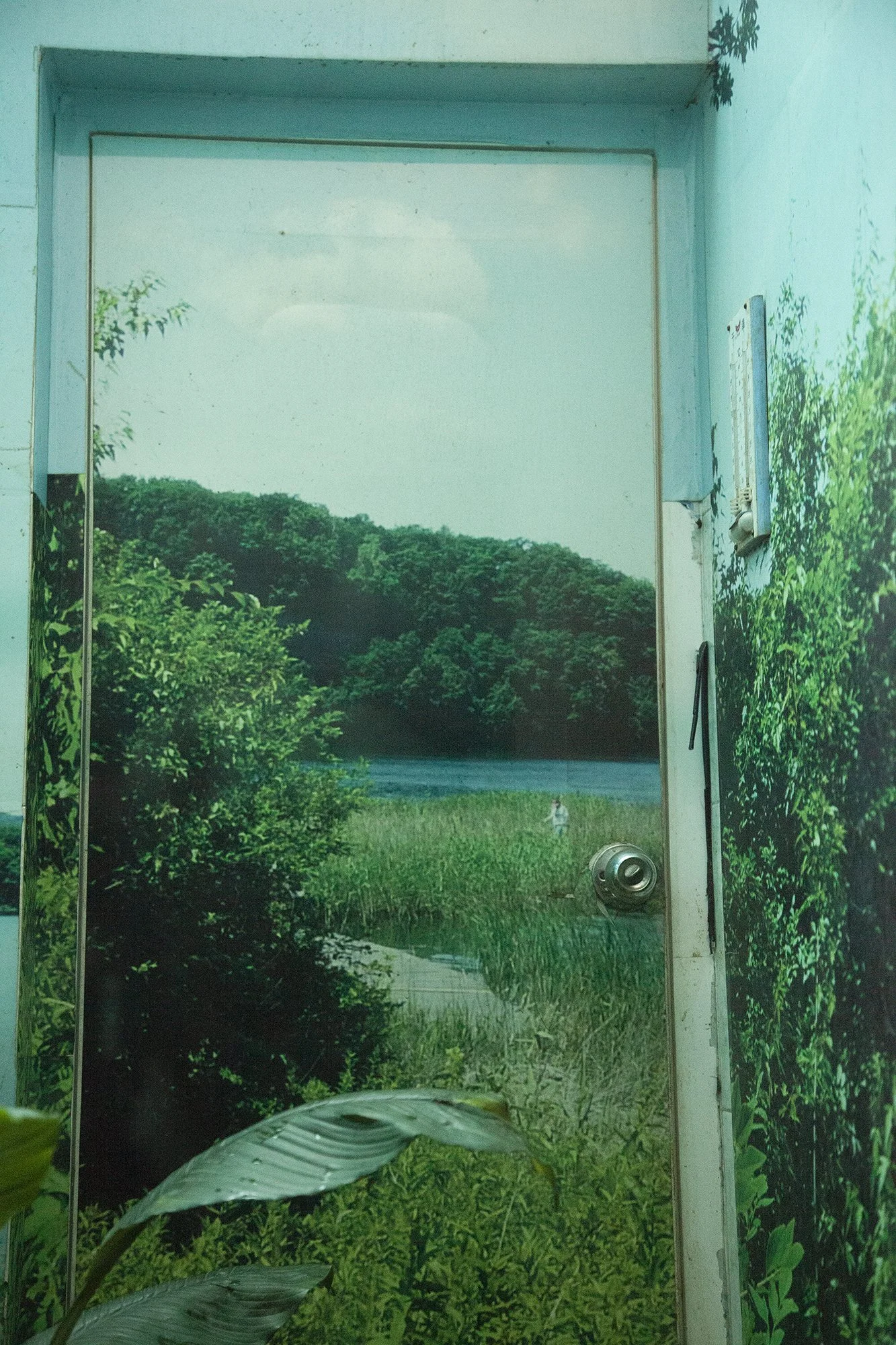
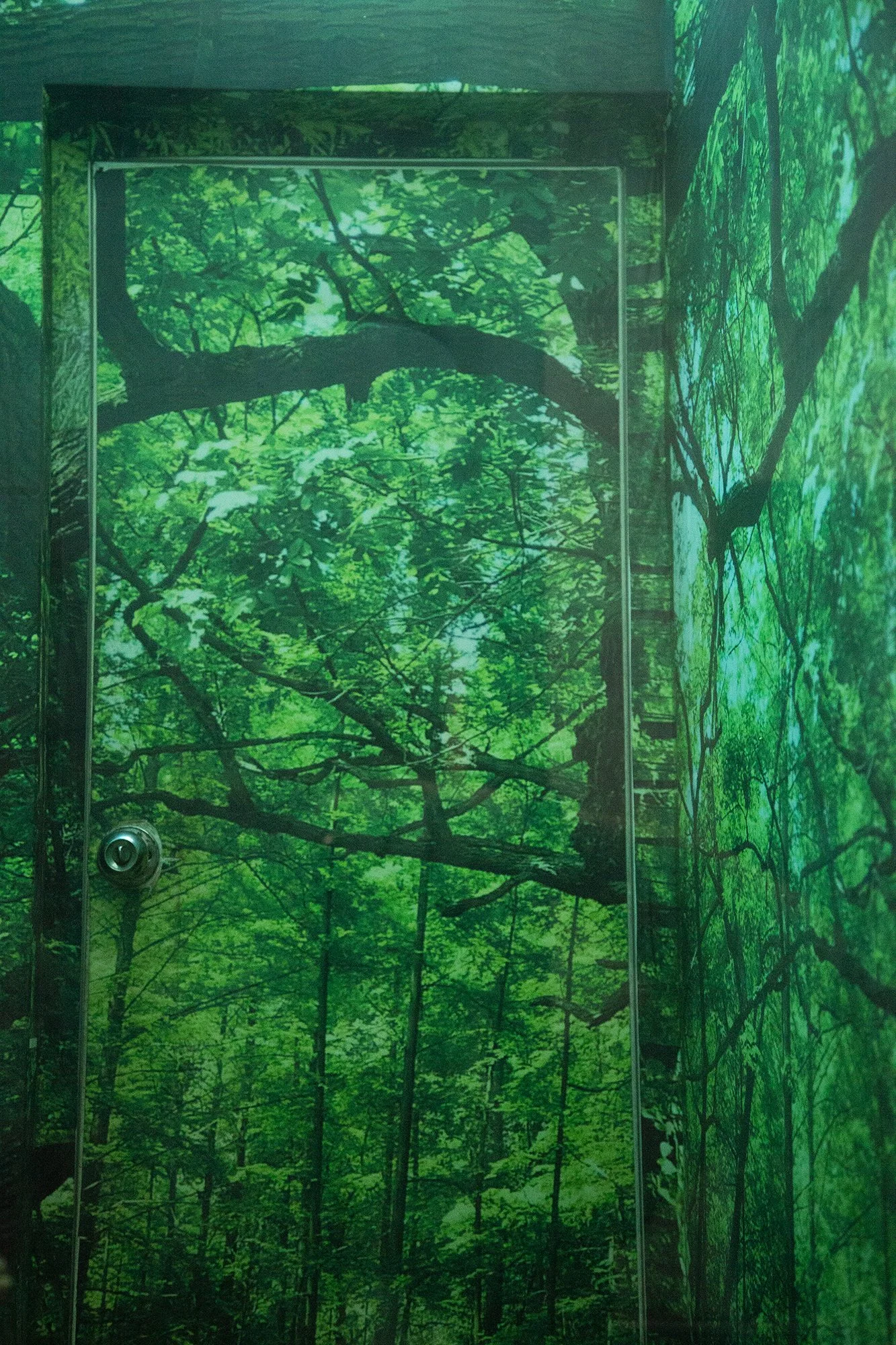
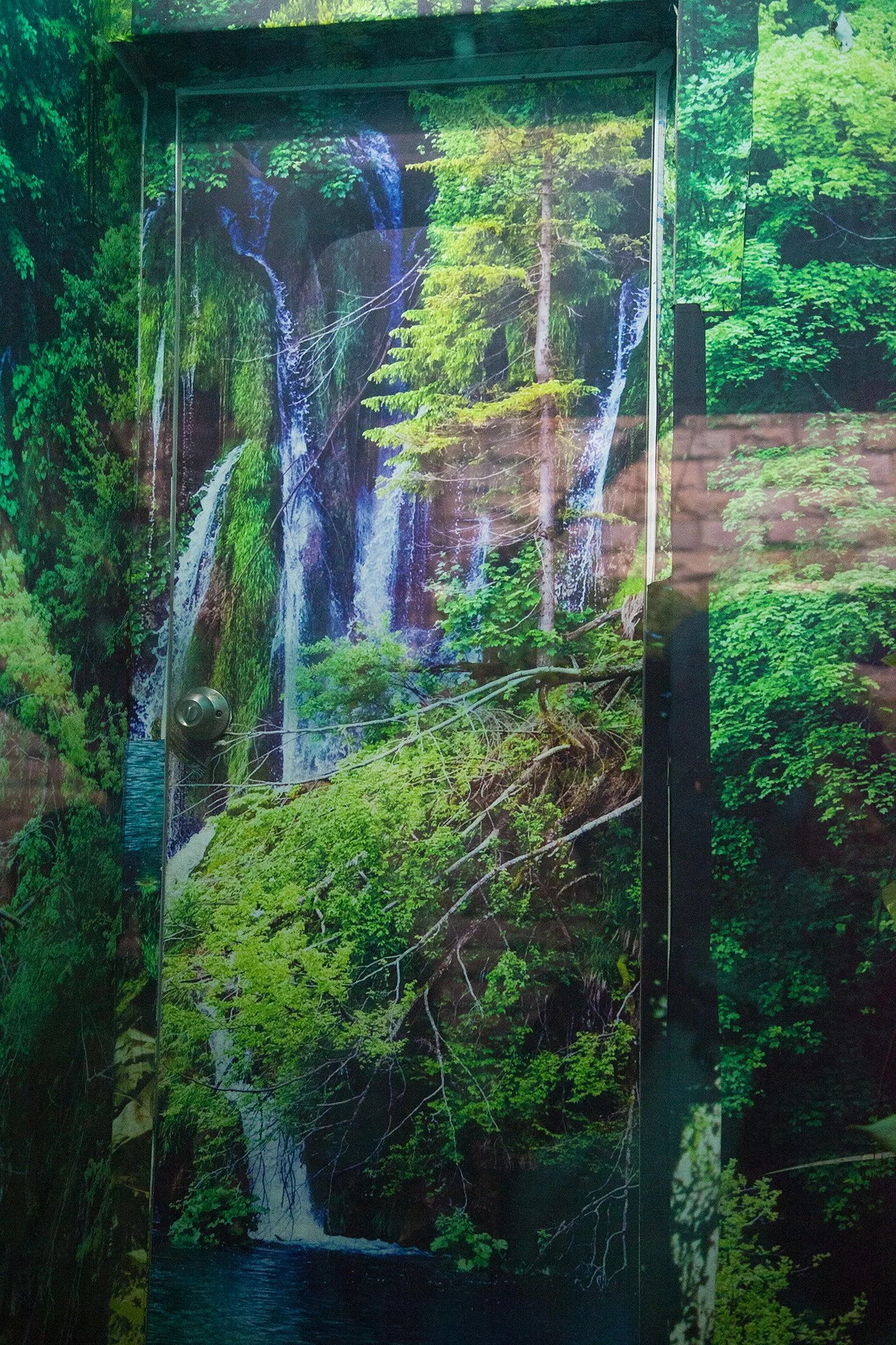
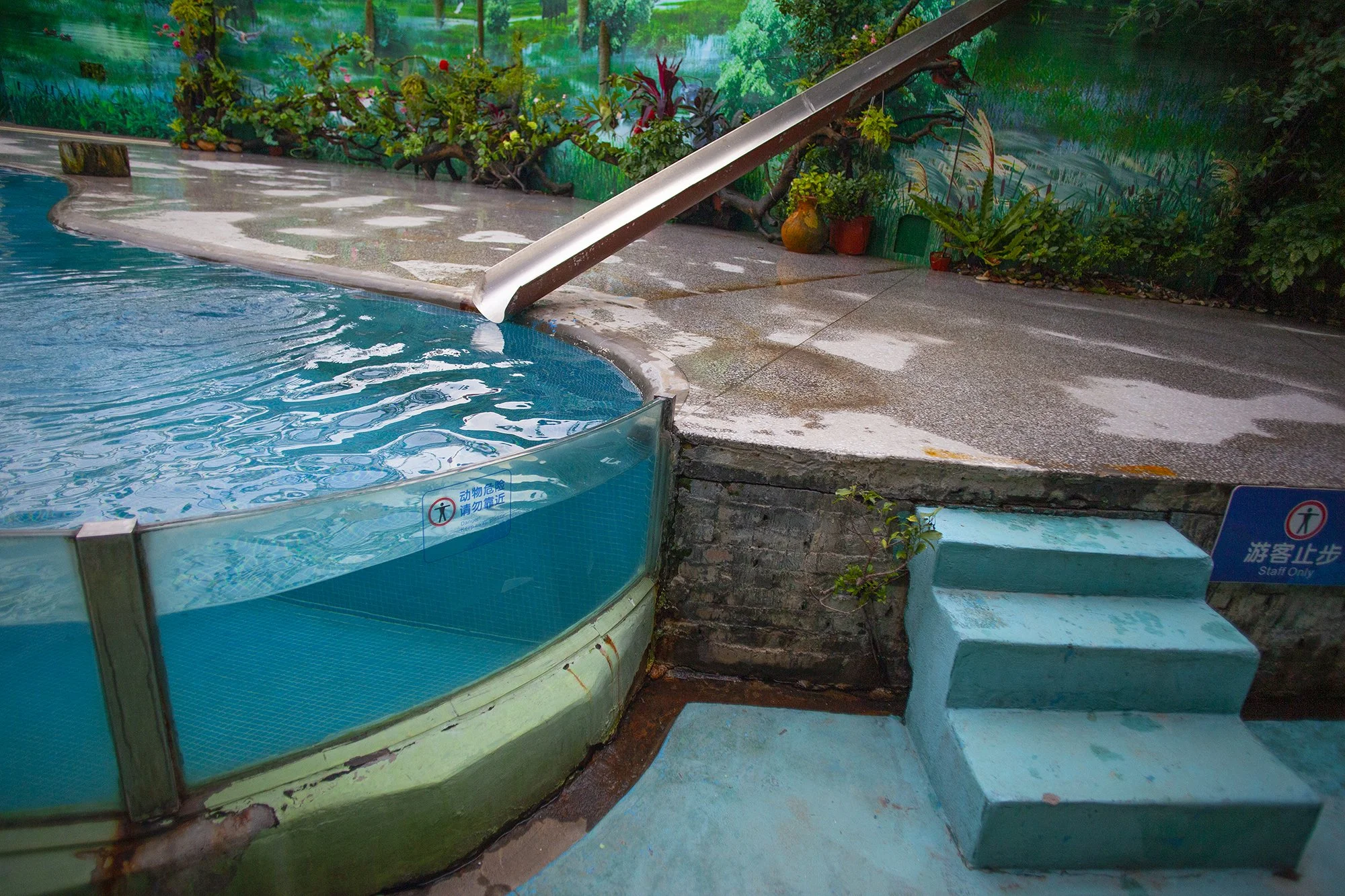
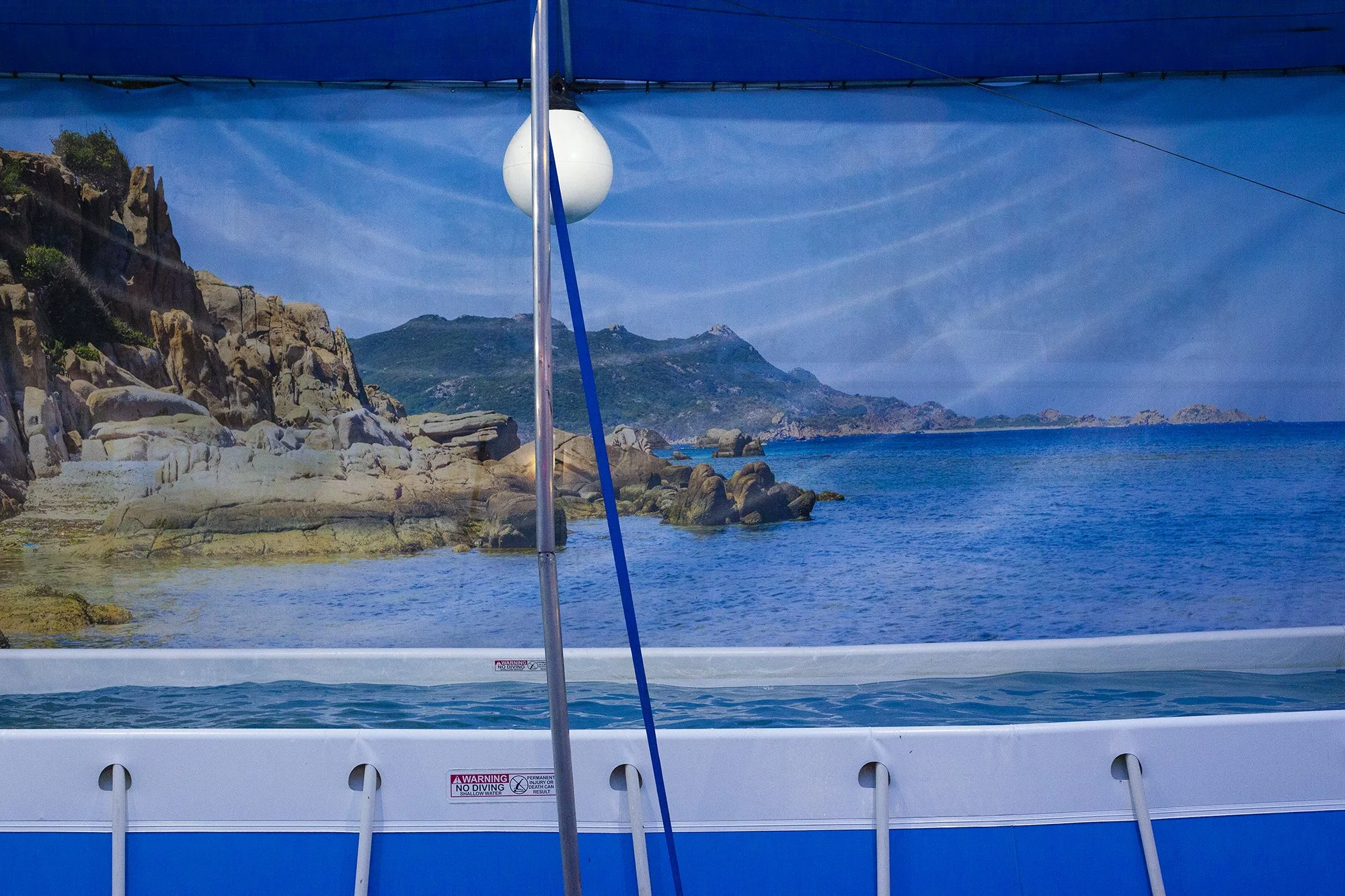
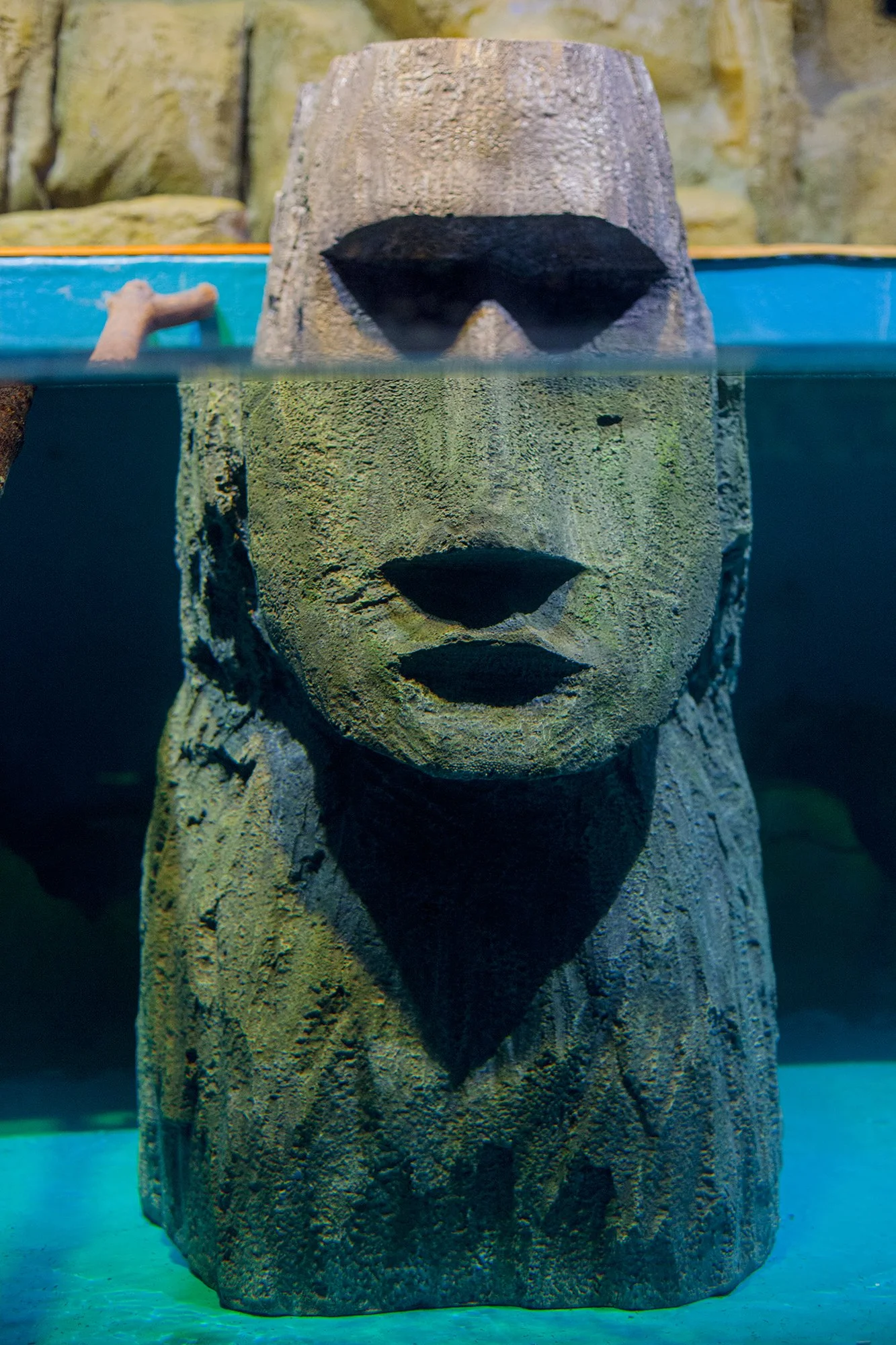
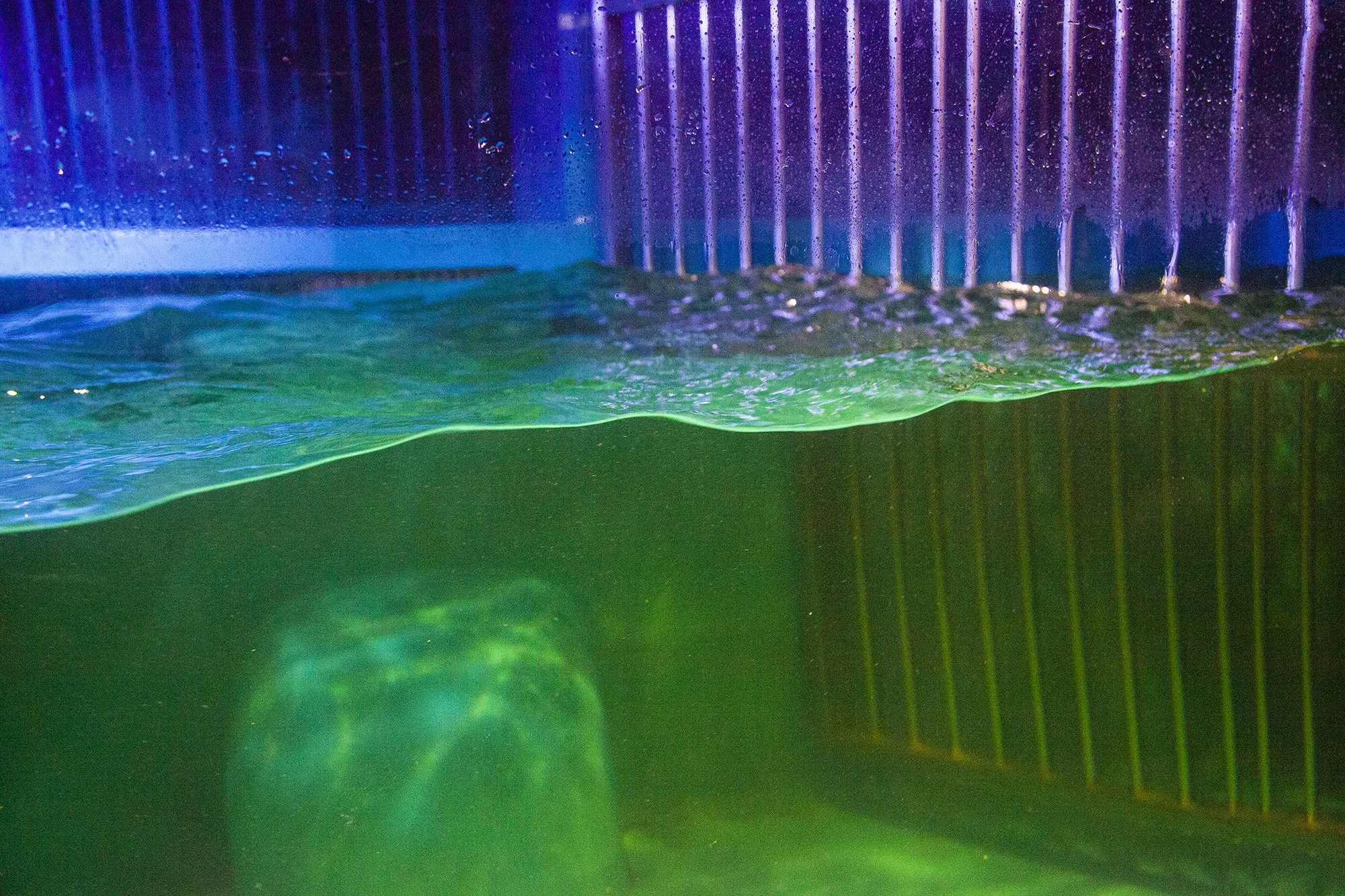
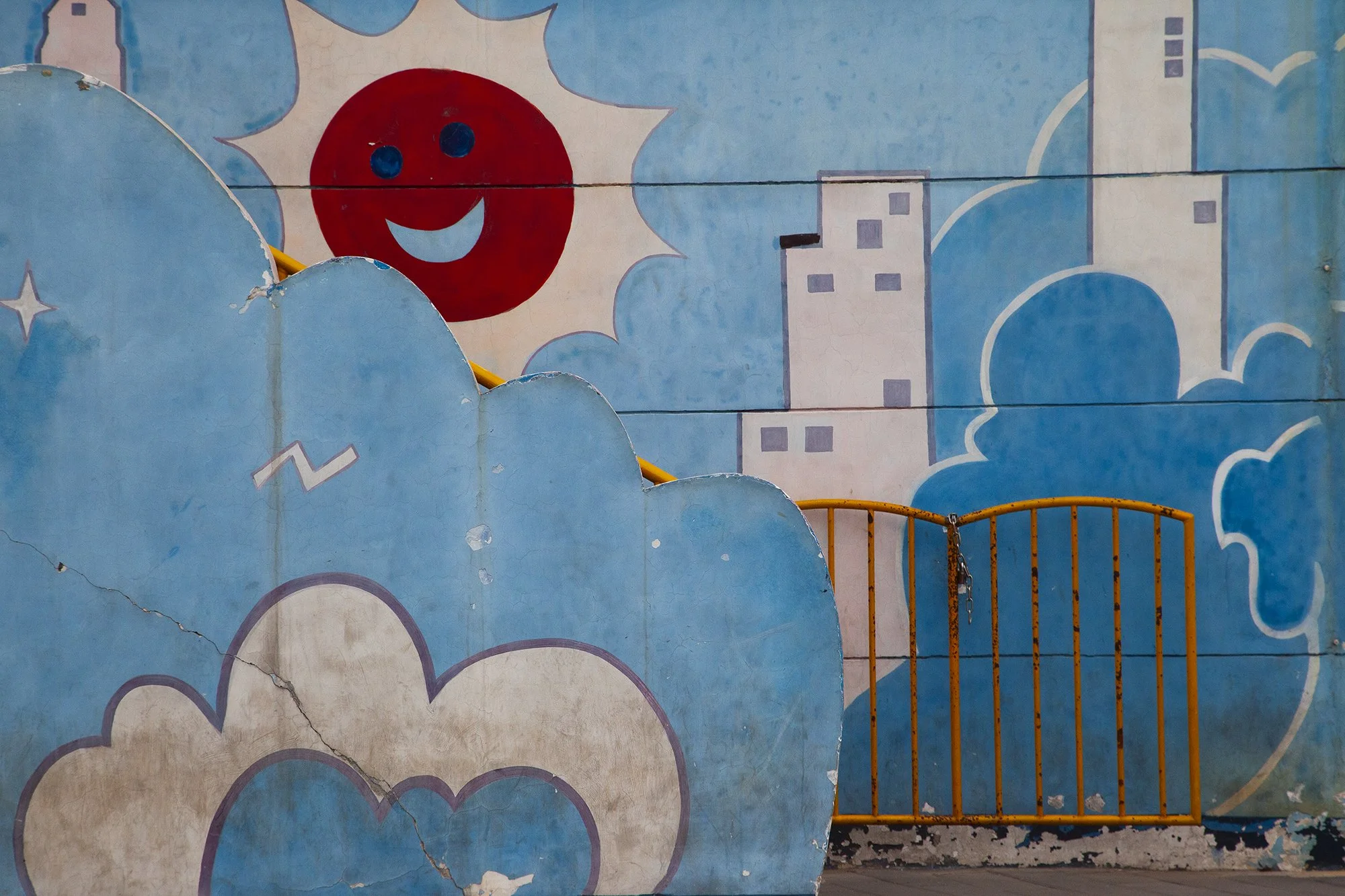
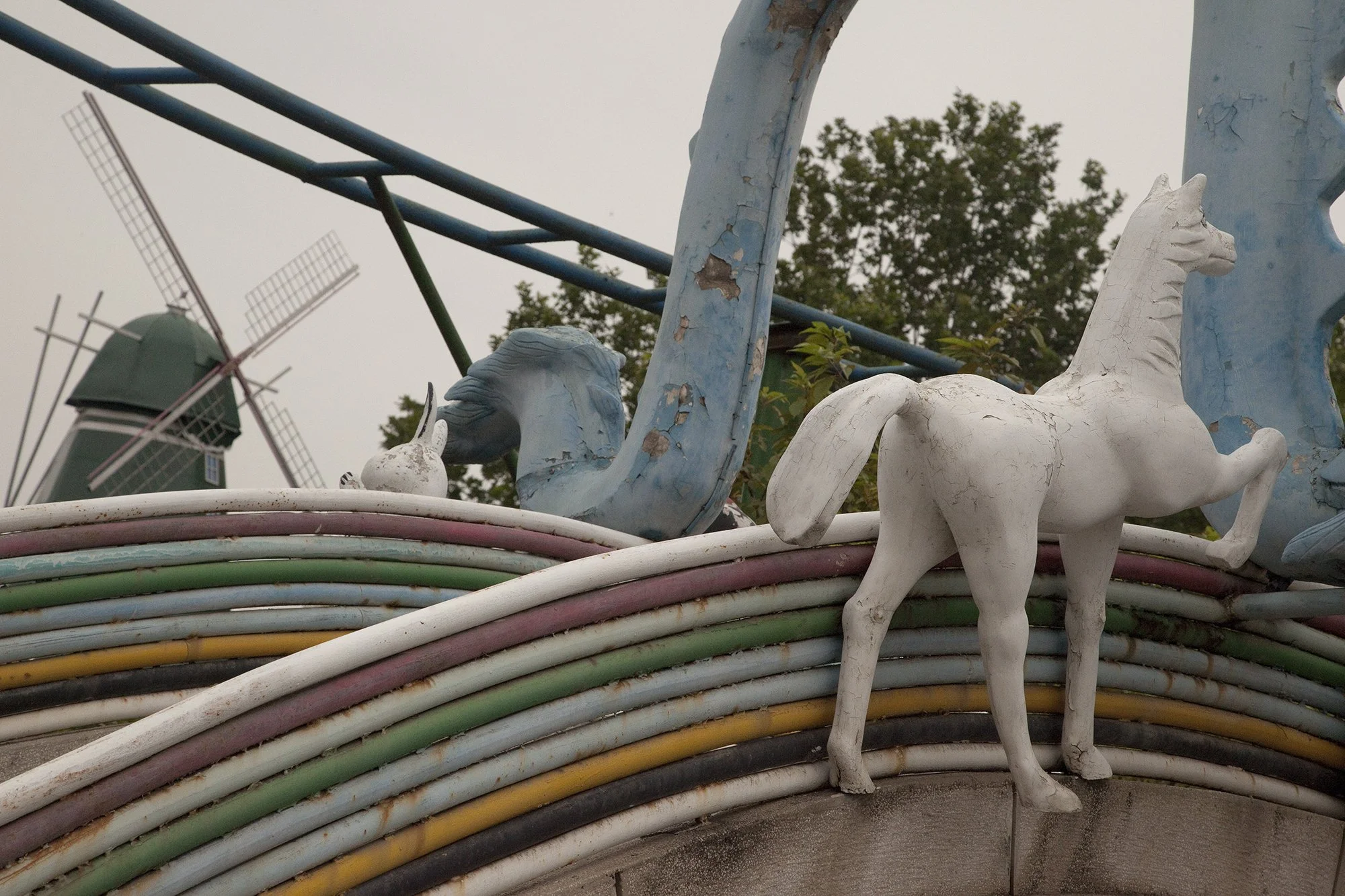
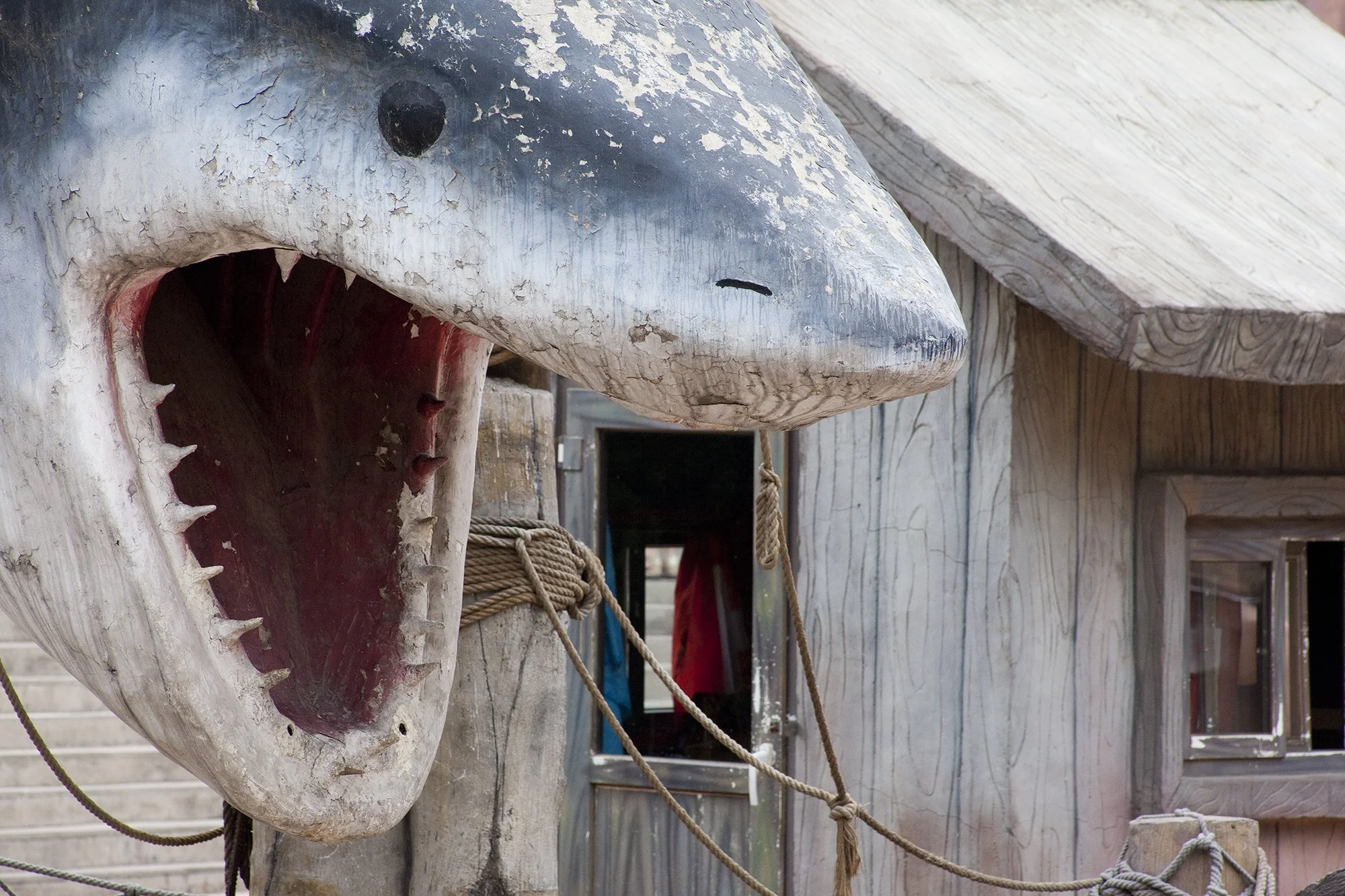
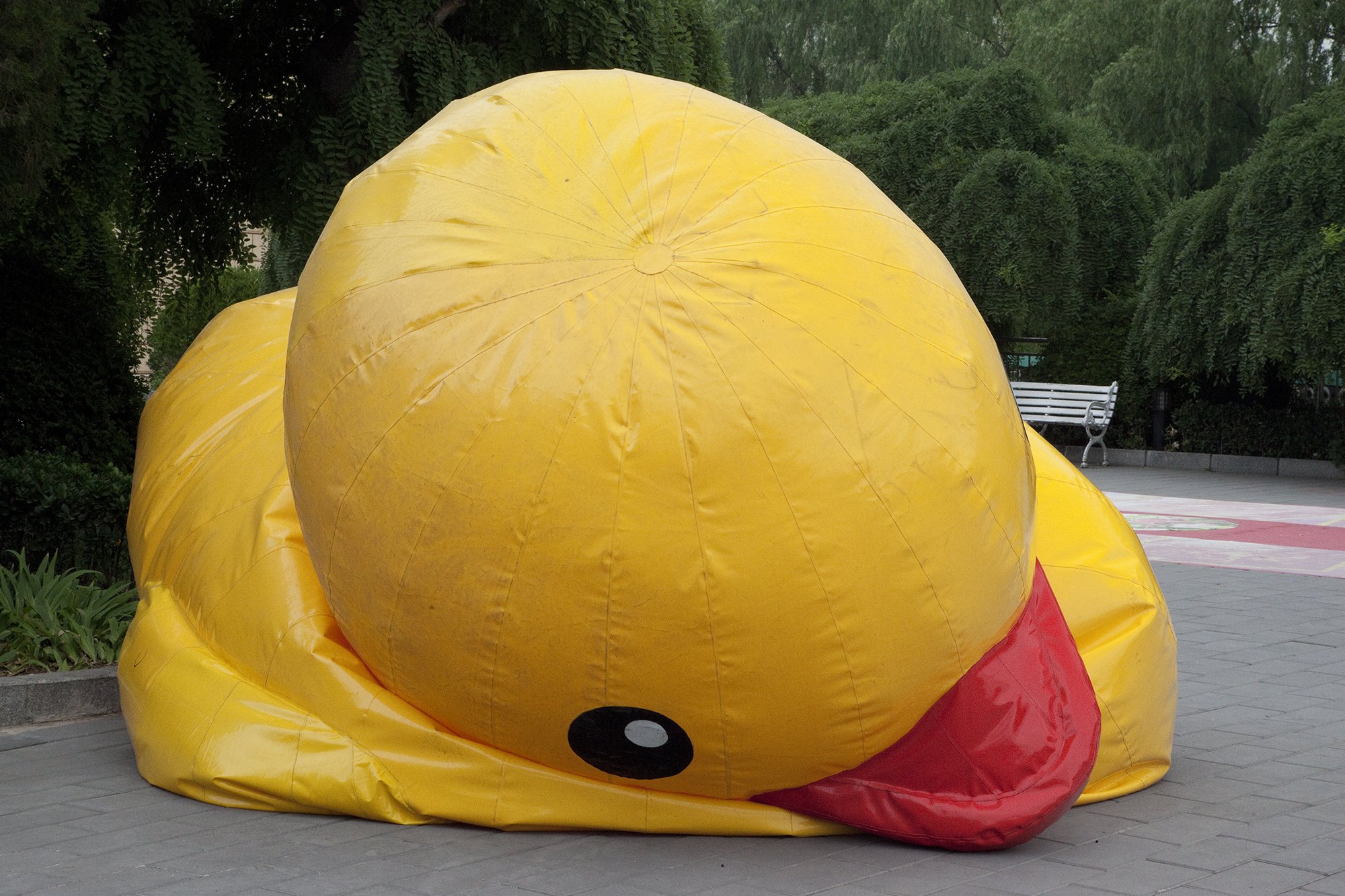
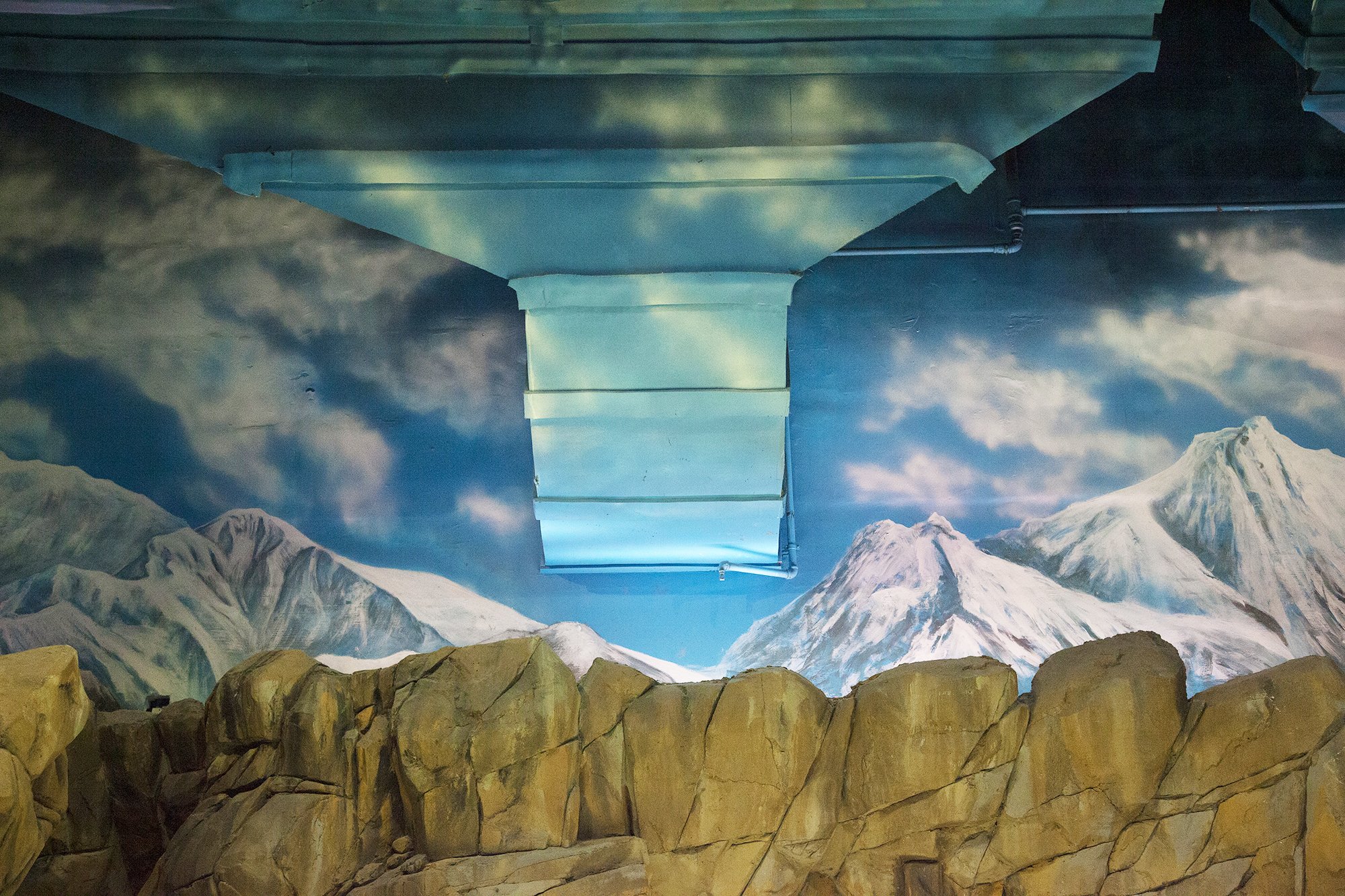
Many of the pictures were made with “found sets” in amusement parks, zoos, malls, and aquariums. These places, when perceived in a certain way, can be mysterious, luminous, haunting, mythical, self-contained totemic anti-landscapes, rich with metaphors and artistic possibilities.
My hope is that each viewer will bring their unique experiences to this work to co-create narratives and unveil symbolic meaning by seeing, learning, and imagining. If you end up with more questions than answers, feel something differently, or start thinking about the world in a new way, the work has succeeded.
If not, I hope you at least enjoy the pretty pictures.
-Philip Ringler, 2023
I dedicate this book to my Dad, David, who taught me how to see rather than look, perceive rather than observe,
and laugh at the absurdity of “life’s rich pageant.”
This Exhibit is Closed.
Philip Ringler
2023
Foreword by DeWitt Cheng
Art Critic, Writer, Curator
San Francisco, CA
In today’s image-saturated culture, with billions of pictures uploaded and consumed everyday online, it is easy to dismiss the importance of the creative eye. Photography has always suffered under the popular misapprehension that anyone could take a picture, and Kodak would do the rest. With Artificial Intelligence joining Photoshop among the tools newly available, it is likely that the magical nature of photography, of images blooming on white sheets of paper in trays of developer beneath red dark lights, will include the computer and the network. Let us hope that the new tools afforded by digital technology will expand human creativity rather than replace it.
The conceptual photographs of Philip Ringler, a Californian who lived in China for several years and now lives and works in Florida, embody the contemporary worldview of fine art photographers in the digital age. His eclectic oeuvre draws on a host of influences ranging from the Surrealists- Max Ernst and Rene’ Magritte, conceptual photographers-Duane Michals and Clarence John Laughlin, to the wry constructed documentary style of Larry Sultan, and Josh Mandel, who found humor and irony in straight photographs made by industrial photographers.
Ringler’s work melds curiosity about his surroundings with a transformative vision: the quotidian is revealed as humorous, mysterious, ironic and complexly beautiful. Ringler takes from Jean Baudrillard’s Simulacra and Simulation: a consciousness that culture, increasingly global and ubiquitous, has replaced nature as the locus of truth and reality, which have disappeared from the scene like some ancient gods, silenced by defeat and conquest. Instead of eternal realities, we deal with images and artifacts. Guy Debord’s phrase, the Society of Spectacle, dates from the 1960s, but it accurately predicts the current world of shamelessly fake news and performative fake outrage. “Baudrillard believed that society had become so saturated with these simulacra and our lives so saturated with the constructs of society, that all meaning was becoming meaningless; he called this phenomenon the “precession of simulacra,” where images precede reality.
Ringler, instead of bewailing this chaos of contradictions, revels in it, sometimes playfully, sometimes seriously, combining his curiosity with what photographer Greg Mac Gregor calls “intelligent mischief.” Ringler states, “I create simulations (photographs) of the simulations in amusement parks, zoos, aquariums : places that are designed as self-contained, constructed realities.”
Picasso once said, “Art is a lie that makes us realize truth, at least the truth that is given us to understand.”